The Mortise-and-Tenon Soul: Why Hand-Cut Joinery Outlasts Metal Fasteners


Introduction
There is a moment in every great piece of furniture when it ceases to be a collection of parts and becomes a unified whole. That moment happens not when the glue dries or the finish cures—it happens when the joint is made. And of all the joints in the woodworker’s vocabulary, none carries the weight of tradition, strength, and durability quite like the mortise-and-tenon.
Thank you for reading this post, don't forget to subscribe!What Is a Mortise-and-Tenon Joint?
The premise is beautifully simple: a square or rectangular hole in one piece of wood—the mortise—is cut to receive a projecting pin on another piece—the tenon. When the tenon is inserted into the mortise and secured properly, the two boards can become nearly as strong as a single piece of wood.
This is not a modern invention. Examples of mortise-and-tenon joints can be found in woodworking projects that are centuries old. It is one of the oldest joinery techniques in existence—and one of the most durable. The joint has been used around the world for thousands of years, for good reason: it is considered one of the strongest woodworking joints for attaching two pieces of wood at a right angle.
The Strength Test: Numbers Don’t Lie
When compared with other joinery methods, the mortise-and-tenon consistently proves its superiority. In controlled strength tests, the traditional mortise-and-tenon joint—where the cheek and shoulder of the tenon are cut from the same piece of stock—was able to withstand over 26 kilo Newtons (kN) of applied load before elastic failure. By contrast, the common #20 Biscuit joint, a popular modern alternative, withstood just over 12kN—half as strong.
| Joinery Method | Maximum Load Before Failure |
|---|---|
| Traditional Mortise-and-Tenon | 26+ kN |
| Rounded Floating Tenon | 22.5 kN |
| Square-Edged Floating Tenon | 20 kN |
| #20 Biscuit Joint | 12 kN |
Other tests have reached the same conclusion: mortise-and-tenon joints deliver unmatched strength, far outperforming those made with dowels, biscuits, or screws. Interlocking joints such as the mortise-and-tenon are incredibly strong even without glue. Add glue during assembly, and these joints can last for decades, even centuries.
Why Metal Fasteners Fail Where Wood Endures
The difference between a mortise-and-tenon joint and a metal fastener is not merely a matter of strength—it is a matter of philosophy.
1. Load Distribution vs. Point Stress
Metal fasteners rely on concentrated pressure at specific points. A screw or bolt exerts force on a very small area of wood. Over time, repeated loading can create slight movement around those connection points. The wood compresses. The fastener loosens. The joint fails.
The mortise-and-tenon does the opposite. It distributes structural load across the wood itself. Rather than a single point of stress, the joint spreads the force across a broad contact surface—the entire area where tenon meets mortise. This unified load distribution strengthens overall frame integrity and reduces the risk of gradual loosening.
2. One Material, One Movement
Wood is a living material. It expands and contracts with changes in temperature and humidity. Metal fasteners do not move with the wood—they fight against it.
Timber and metal expand and contract at different rates. In mixed-material structures, these differences contribute to long-term stress at connection points. Over time, even small variations can lead to audible creaking or subtle instability. The rigid, unyielding nature of metal creates concentrated stress points that fight against timber’s natural expansion and contraction.
3. Rust and Corrosion
Metal fasteners are vulnerable to one thing wood never worries about: rust. Metal easily corrodes or oxidizes. A piece of furniture built with metal fasteners may have perfectly sound wood, but if the metal rusts or ages, the entire piece can fall apart.
Many Ming dynasty furniture pieces, though centuries old, remain as hard as the day they were made. Because they rely on joint rather than metal, they have outlasted generations. A joint structure can last for hundreds or even thousands of years.
The Hand-Cut Difference
Not all mortise-and-tenon joints are created equal. The ones that last the longest are those cut by hand.
Hand-cut joinery requires a level of precision that machines cannot replicate. A craftsman using a mortise chisel and mallet can feel the wood—its density, its grain, its resistance. They can adjust the fit in real time, shaving a fraction of a millimeter here, paring a shoulder there, until the joint is perfect.
The result is a joint where the tenon fits into the dry mortise with hand pressure only—no gaps, no forcing. This tight fit, combined with the long-grain glue surface created by hand-cut cheeks and shoulders, produces a bond that machine-cut joints simply cannot match.
A well-made hand-cut mortise-and-tenon joint is not just strong—it is beautiful. The simple beauty of hand-cut joints assures that the piece will be cared for. It becomes something worth preserving, worth passing down.
Repairability: A Joint That Can Be Saved
One of the most overlooked advantages of the mortise-and-tenon joint is that it can be repaired if damaged. A stripped screw hole is often permanent damage. A loose mortise-and-tenon can be tightened, shimmed, or even re-cut.
The Soul of the Workshop
At our factory, we cut mortise-and-tenon joints by hand because we believe in the integrity of the craft. We use mortise chisels that can withstand heavy mallet blows. We cut tenons with careful attention to the shoulder and cheek. We test every fit. We adjust every angle.
This takes time. It takes skill. It takes patience. And it is worth every minute.
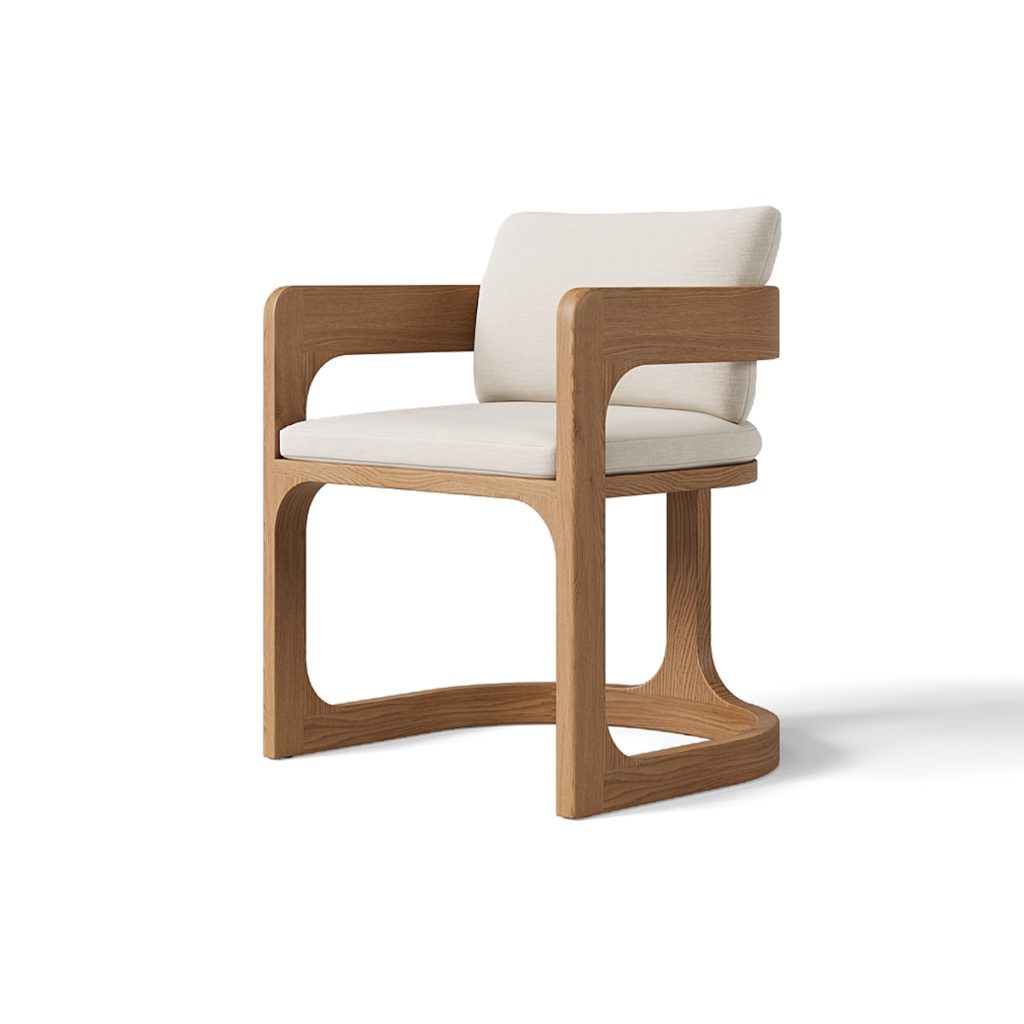
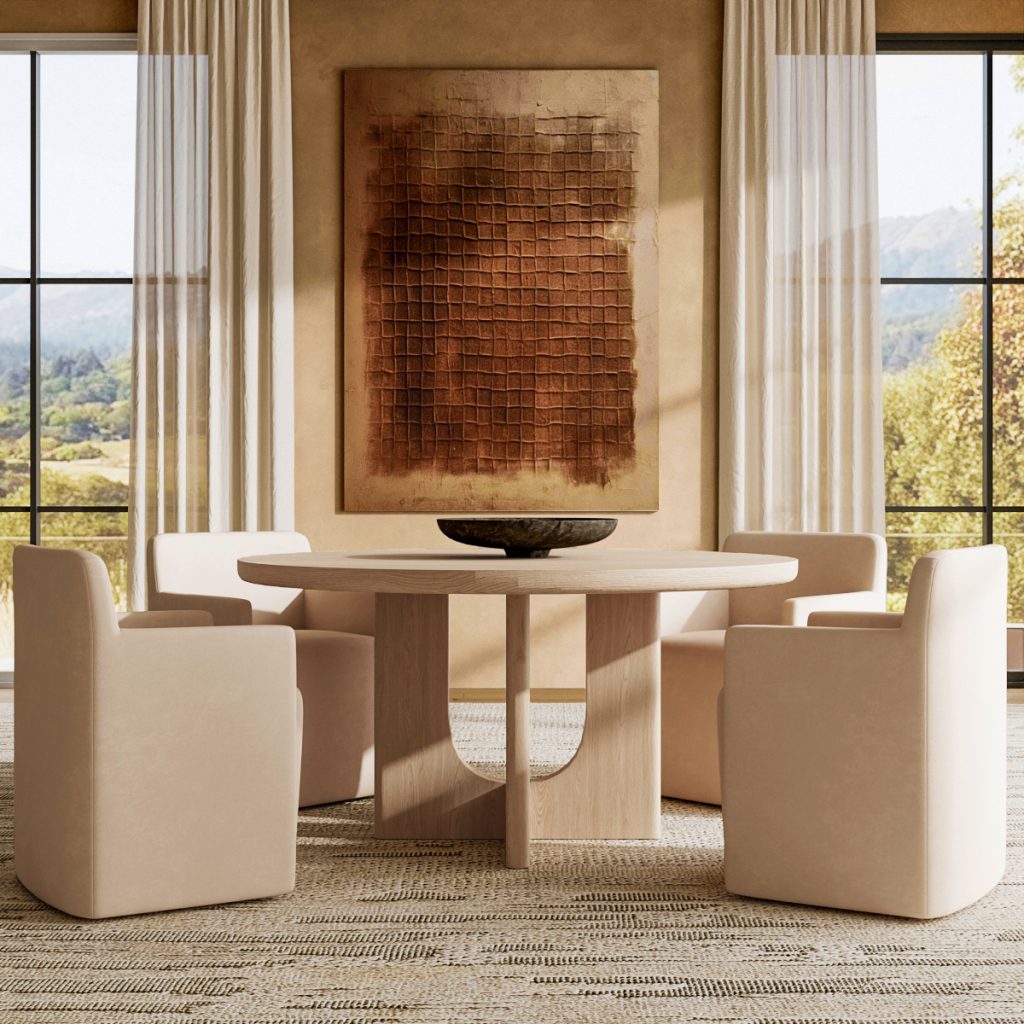
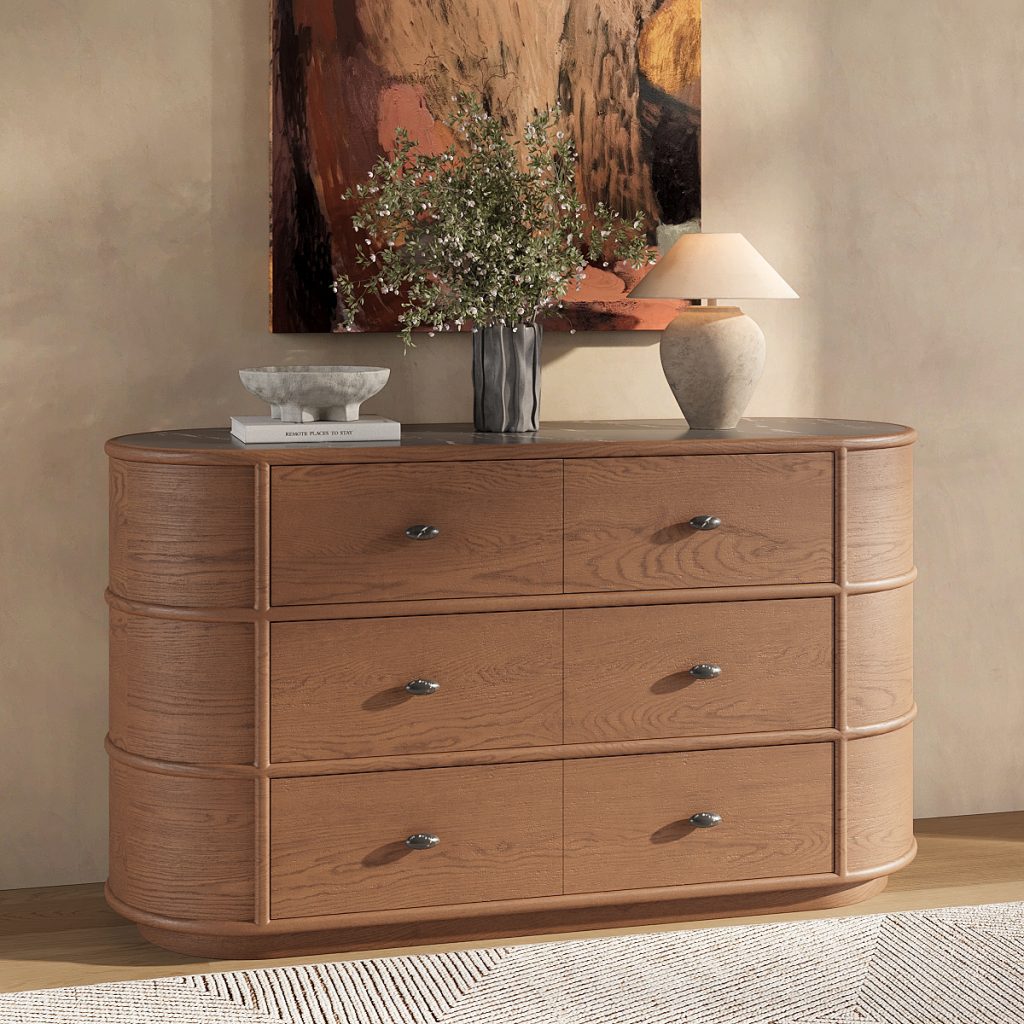
Because when a piece of furniture leaves our workshop, it carries with it not just the beauty of American oak or walnut—it carries the soul of a joint that has been proven over millennia. It carries the knowledge that this table, this chair, this cabinet will not wobble in five years. It will not creak in ten. It will not loosen in fifty.
It will still be standing, still be strong, still be beautiful—generations from now.
A Final Thought
Metal fasteners are convenient. They are fast. They are cheap. But they are also temporary. They loosen. They rust. They fail.
A hand-cut mortise-and-tenon joint is none of those things. It is deliberate. It is permanent. It is forever.
Choose wisely. Choose what lasts.
No nails. No screws. Just wood, joined to wood, for a lifetime.
Shop the furniture