American Style Kids’ Rooms: Classic Beds and Desks That Grow With Your Child

Introduction
A child’s bedroom is more than just a place to sleep. It is a world of imagination, a sanctuary for homework, a fortress for fort-building, and over time, a quiet retreat for a growing teenager. Designing this space presents a unique challenge: how do you create a room that feels perfectly suited to a five-year-old, yet still works beautifully for a fifteen-year-old?
Thank you for reading this post, don't forget to subscribe!The answer lies in classic American furniture — pieces built with timeless proportions, durable solid wood, and the kind of thoughtful design that adapts to changing needs. At the heart of this approach are two essential pieces: the bed and the desk.
The Philosophy: Furniture That Grows
The American approach to children’s furniture is rooted in practicality and longevity. Rather than buying disposable pieces that will be discarded every few years, the philosophy is to invest in heirloom-quality furniture that can transition from childhood through adolescence and beyond.
This means choosing:
Solid hardwoods (particularly oak) that withstand the wear and tear of active children
Classic, simple silhouettes that do not look “babyish” as the child grows
Adjustable features that allow the furniture to adapt to the child’s changing body
Neutral finishes that can be accessorized with colorful bedding and decor at each stage
The Bed: From Toddler to Teenager
The bed is the emotional center of any child’s room. It is where stories are read, where nightmares are conquered, and where lazy Sunday mornings unfold. Choosing the right bed means thinking not just about today, but about the next ten years.
The Classic Choices
1.The Twin Bed with a Headboard
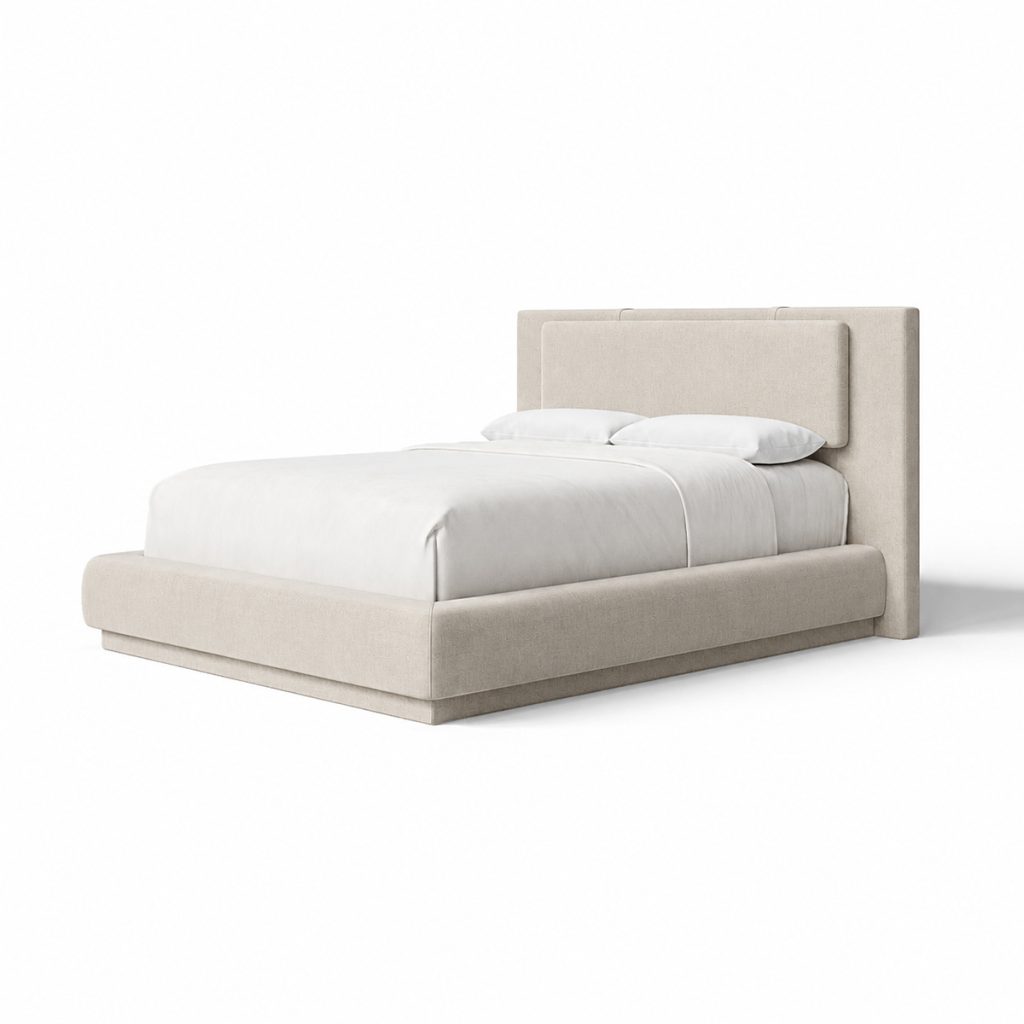
A simple twin bed with a classic Shaker-style or panel headboard is perhaps the most versatile choice. In solid oak, it provides a sturdy, handsome foundation that works equally well for a six-year-old with dinosaur sheets and a sixteen-year-old with minimalist bedding.
2.The Bunk Bed (with a Twist)
For shared rooms or sleepover-friendly spaces, bunk beds are a classic American solution. The smartest versions feature convertible designs — beds that can be separated into two individual twins when the children grow older and want their own space.
3.The Low-Profile Platform Bed
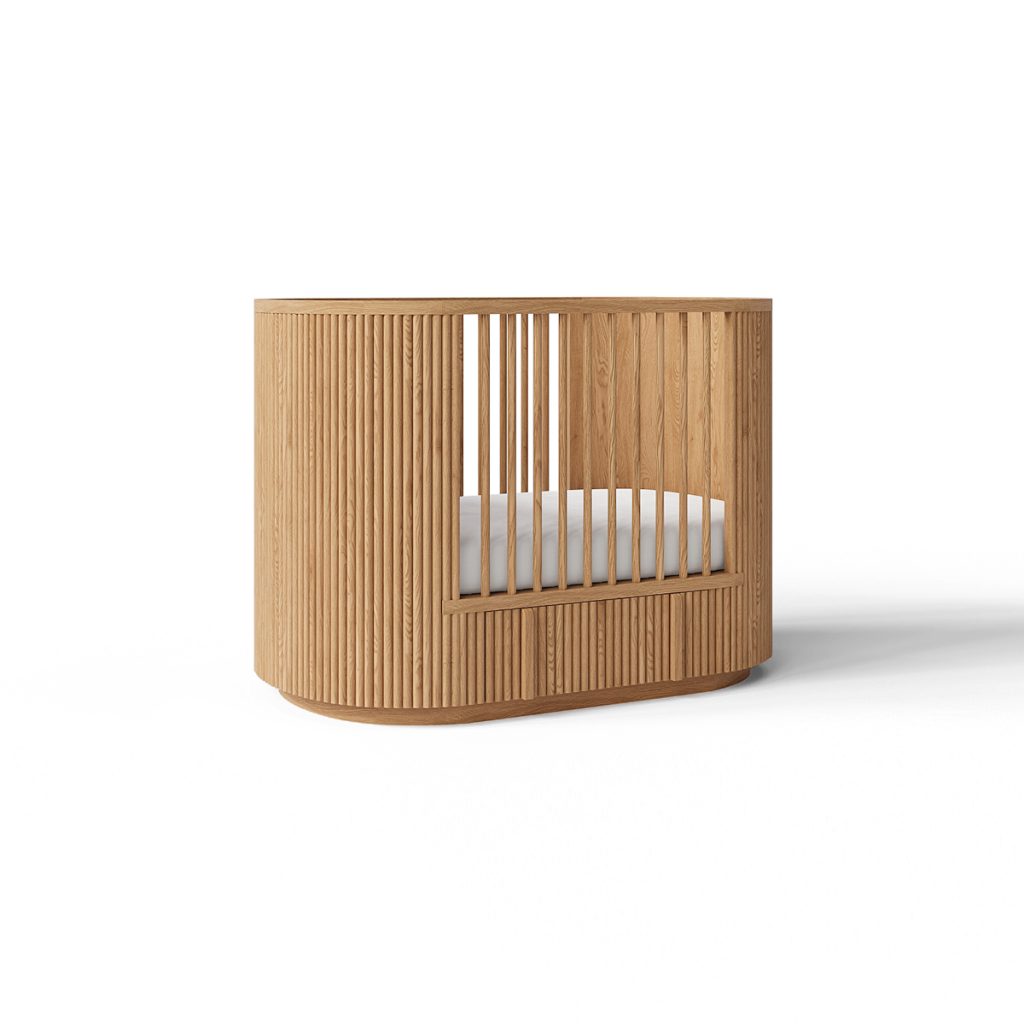
For younger children, a low-profile bed offers easy access and a sense of security. As they grow, the same bed can be fitted with taller legs or a more substantial frame, transforming its character without requiring a full replacement.
What to Look For
| Feature | Why It Matters |
|---|---|
| Solid Wood Construction | Withstands jumping, climbing, and years of use |
| Adjustable Mattress Height | Low for toddlers, higher for older children |
| Classic Finish | Neutral tones that work with any decor |
| Sturdy Guardrails | Safety for younger children, removable later |
The Desk: A Workspace That Evolves
Desk: The Evolving Workspace
The desk is where childhood transforms into scholarship. It begins as a place for coloring and crafts, becomes a homework station, and eventually supports college applications and late-night studying. A well-chosen desk grows alongside the child’s academic journey.
The Classic Choices
1.The Adjustable-Height Desk
The most forward-thinking desks feature height-adjustable legs that allow the work surface to rise as the child grows. A desk that sits comfortably at 22 inches for a first-grader can be raised to 28 inches for a high-schooler — all without replacing the piece.
2.The Trestle Desk
With its simple, open design and sturdy trestle base, this desk style is both timeless and practical. The absence of bulky drawers leaves plenty of legroom, and the clean lines work in any room — from a playful nursery to a serious study.
3.The Writing Desk with Drawers
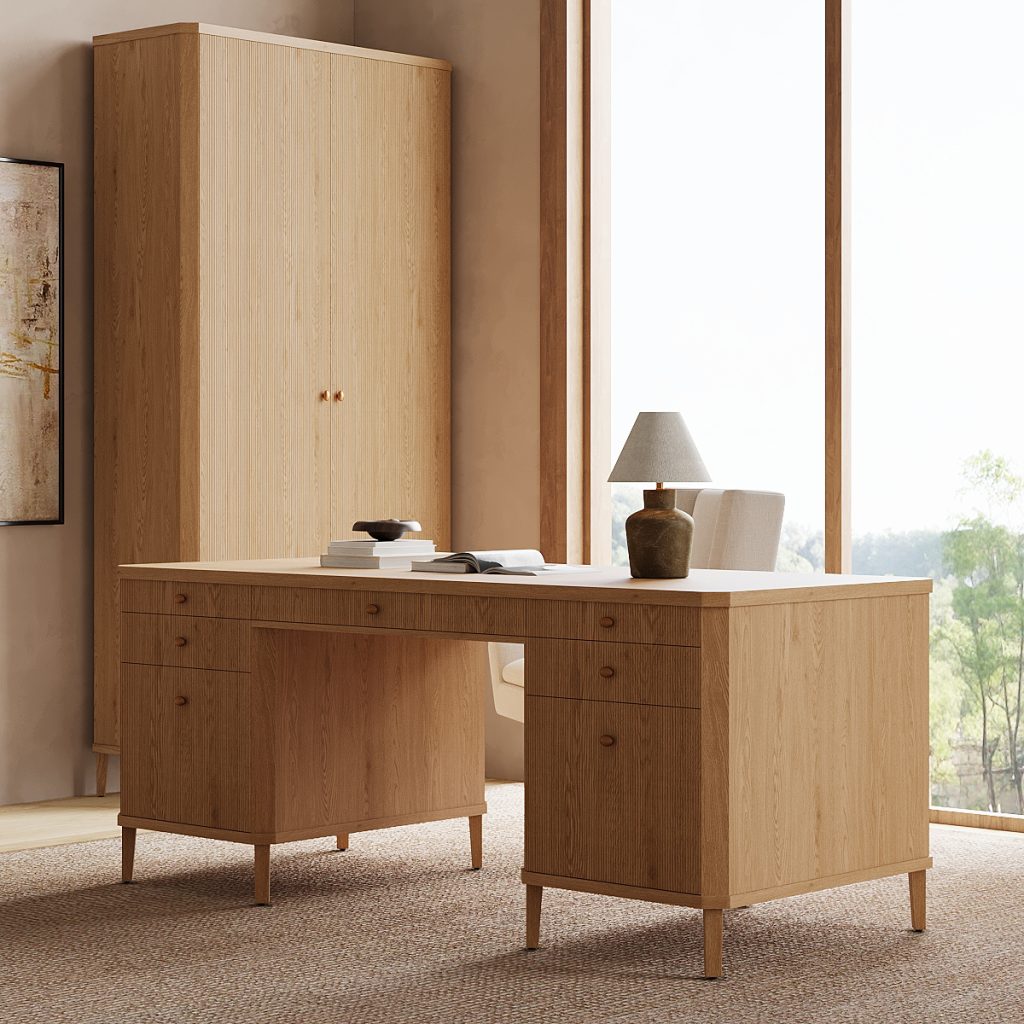
For older children, a desk with a few well-placed drawers provides storage for supplies without overwhelming the workspace. The classic American writing desk — with its simple lines and solid wood construction — is a piece that can follow a child from middle school through college and beyond.
What to Look For
| Feature | Why It Matters |
|---|---|
| Height Adjustability | Grows with the child from age 5 to 18 |
| Spacious Work Surface | Accommodates everything from art projects to laptops |
| Durable Finish | Resists stains, scratches, and daily wear |
| Simple Design | Does not look “kiddie” as the child matures |
Beyond the Bed and Desk: Completing the Room
While the rasp and chain are the stars, a true artisan employs a wide variety of tools to achieve a convincing aged look:
The Bookshelf
A low, sturdy bookshelf — wide enough for picture books, deep enough for novels — encourages reading and provides display space for treasures. Choose one with adjustable shelves so it can adapt as the child’s collection grows from board books to chapter books.
The Storage Bench
A storage bench at the foot of the bed or by the window serves triple duty: seating, storage for toys or out-of-season clothes, and a charming design element. In solid oak, it is a piece that will last through every stage of childhood.
The Chair
A comfortable, child-sized chair — perhaps a miniature version of a classic American wingback or a simple slipper chair — gives the child their own special spot for reading or quiet time. Choose one that is sturdy enough to last, but scaled appropriately for small bodies.
The Oak Advantage: Built to Last
At our factory, we craft our children’s furniture primarily from solid oak — and for good reason.
Durability: Oak’s Janka hardness rating of 1,360 lbf means it can withstand the bumps, jumps, and spills that come with childhood.
Timeless Beauty: Oak’s warm, honeyed tones and prominent grain only grow more beautiful with age.
Repairability: Unlike veneered or particleboard furniture, solid oak can be sanded and refinished if damaged — meaning a single scratch does not spell the end of the piece.
Health: Solid wood furniture contains no harmful VOCs or off-gassing from synthetic materials, making it a safe choice for children’s rooms.
The Emotional Value: Furniture That Holds Memories
Perhaps the most compelling reason to invest in classic, durable children’s furniture is the emotional value it holds. A bed that a child sleeps in from age five to eighteen becomes more than a piece of furniture — it becomes a repository of memories. The initials carved into the headboard. The height marks on the doorframe nearby. The desk where homework was finished and dreams were written.
These are not things that can be bought with a new piece of furniture every few years. They are earned through time — and they are preserved through quality.
A Final Word: Invest in Their Future
Children grow quickly. Their interests change. Their needs evolve. But the furniture that surrounds them during these formative years can remain constant — not because it is unchanging, but because it is designed to adapt.
Choose a bed that will see them through every stage. Choose a desk that will rise with them. Choose solid oak that will bear the marks of their childhood with grace and, one day, become the furniture they remember with fondness — and perhaps pass on to their own children.
Built for childhood. Made for a lifetime.
Shop the furniture