Storage as Style: Dressers, Sideboards, and Credenzas in American Design

Part One: The Dresser — The Bedroom’s Quiet Workhorse
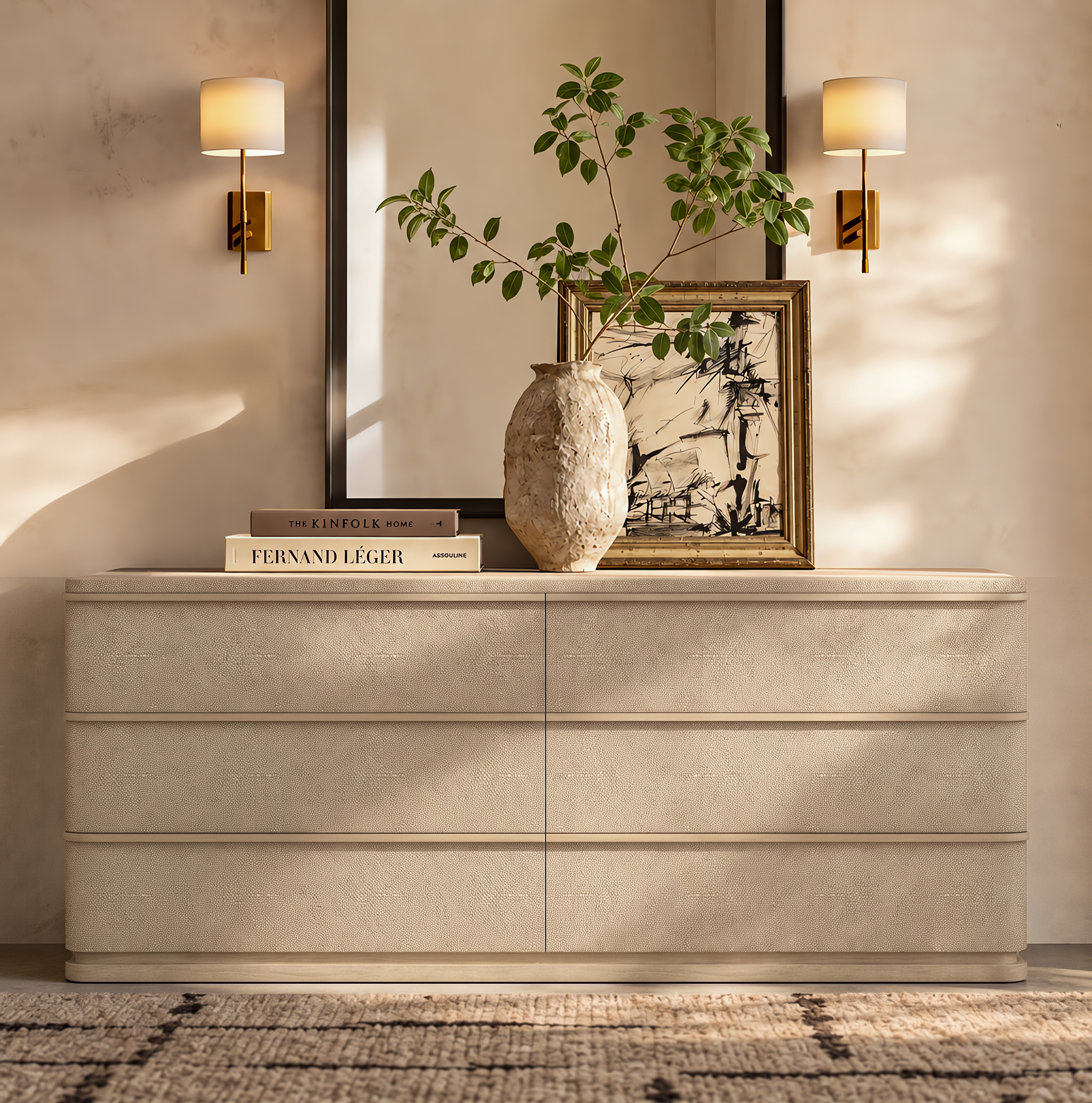
The dresser is perhaps the most personal piece of storage furniture in the home. It holds not just clothes but intimacy—the folded sweaters, the tucked-away letters, the jewelry box that belonged to a grandmother. In the American bedroom, the dresser is both a practical necessity and a decorative anchor.
Thank you for reading this post, don't forget to subscribe!The American Dresser Aesthetic
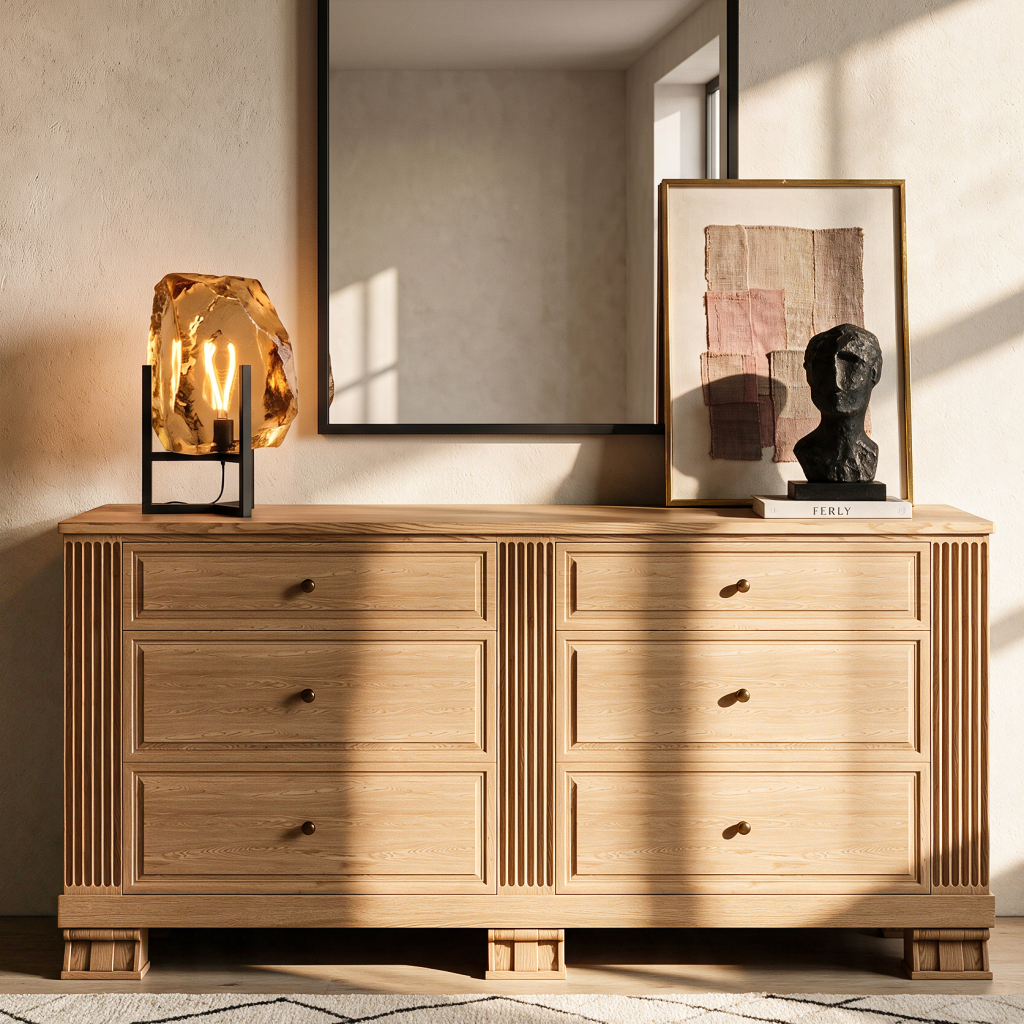
A classic American dresser is defined by solid wood construction—most often oak—with dovetailed drawers, hand-cut joinery, and hardware that feels substantial in the hand. Its lines are clean but not severe. Its proportions are generous but not bulky. It is a piece that says: this room is cared for.
Storage Function
Deep drawers for sweaters, jeans, and folded clothing
Shallow drawers for delicates, accessories, and jewelry
Felt-lined top drawers for valuables
Cedar-lined options for woolens and seasonal items
Decorative Role
The dresser is not just a place to store things—it is a display surface. The top of a dresser is prime real estate for:
A pair of lamps for layered lighting
A framed mirror or piece of art above
A ceramic vase or bowl for small treasures
A tray for perfumes, watches, or reading glasses
A plant that brings life to the corner
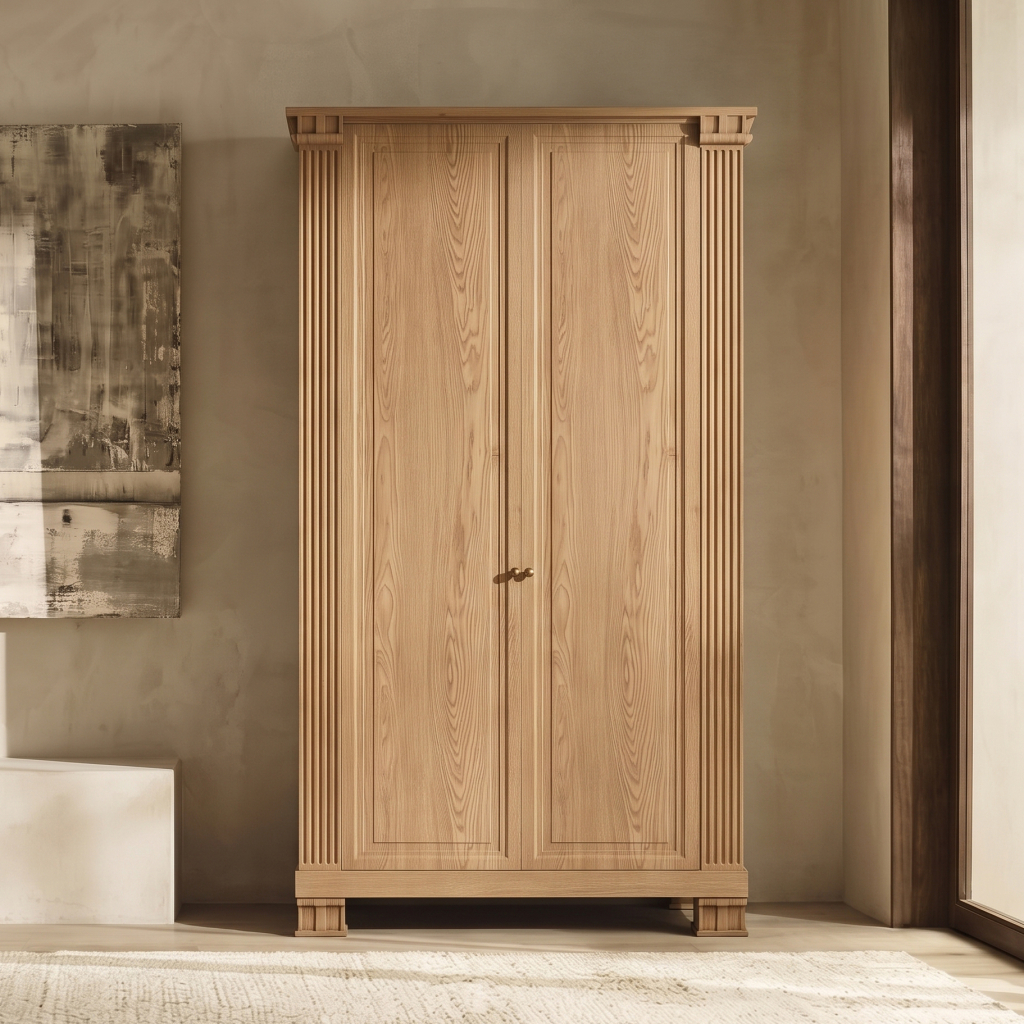
The dresser’s proportions also contribute to the room’s composition. A tall chest (sometimes called a “highboy”) adds vertical presence and saves floor space. A wide, low dresser provides a long display surface and creates a sense of calm horizontal balance. Choose according to the room’s architecture and your storage needs.
Part Two: The Sideboard — The Dining Room’s Serving Stage
The sideboard is the dining room’s most essential supporting actor. It is not the table—it does not host the meal. But without the sideboard, the table would be cluttered with serving dishes, bottles, and linens. The sideboard holds everything the table cannot, allowing the dining table to remain a clean, elegant stage for the main event.
The American Sideboard Aesthetic
The classic American sideboard is a long, low piece—typically 36 to 42 inches tall—with a flat top for serving, a row of drawers for flatware and linens, and cabinets below for larger items. In solid oak or walnut, with hand-cut dovetails and perhaps a subtle inlay, it is a piece of quiet grandeur.
Storage Function
Drawers for flatware, napkins, placemats, and candles
Cabinets for serving platters, bowls, and larger dishes
Wine storage (some models include built-in racks)
Felt-lined drawers for silver and fine cutlery
Decorative Role
The sideboard’s surface is a stage for beauty. Here is where you place:
A large vase of fresh flowers or branches
A pair of candlesticks or a candelabra
A decorative bowl or sculpture
A tray with decanters and glasses for after-dinner drinks
A table lamp for soft, ambient light
Above the sideboard, a large mirror or piece of art anchors the wall. The sideboard and the art above it create a composition—a visual moment that gives the dining room its character.
Part Three: The Credenza — The Living Room’s Versatile Companion
The credenza has a history that stretches back to the Italian Renaissance, where it was known as a credenza—a sideboard for tasting food and drink before serving it to nobility. Today, the credenza has evolved into one of the most versatile pieces in the American home. It can serve as a media console, a bar cabinet, a display surface, or simply a beautiful object in its own right.
The American Credenza Aesthetic
The American credenza is typically low and long, with clean lines and a focus on material beauty. In oak, it showcases the grain. In walnut, it exudes warmth and depth. Some credenzas feature glass doors for display; others have solid doors for concealment. Many have adjustable shelves inside, allowing for flexible storage.
Storage Function
Media equipment (cable boxes, game consoles, DVD players)
Books and magazines
Barware (if used as a bar cabinet)
Board games, puzzles, and cards
Seasonal decor (candles, wreaths, holiday items)
Decorative Role
The credenza is a chameleon. Its decorative role depends entirely on how you style it:
| Placement | Decorative Use |
|---|---|
| Living Room | Media console with a gallery wall above; books and objects on top |
| Dining Room | Alternative sideboard for serving and display |
| Home Office | Storage for files and supplies; lamp and framed art above |
| Bedroom | Alternative dresser; jewelry display; folded linens |
| Hallway | Console with a mirror above; tray for keys and mail |
Part Four: The TV Cabinet — The Modern Necessity
The television is a fact of modern life. It is where we gather for movie nights, where we follow the news, where we binge-watch series on rainy Sundays. The TV cabinet is the piece that houses this modern necessity without letting it dominate the room.
The American TV Cabinet Aesthetic
The finest American TV cabinets are designed to disguise their function. Rather than a stark glass-and-metal stand, they are crafted from solid oak or walnut, with doors that conceal the screen when not in use. Some feature sliding doors; others have pocket doors that tuck away. The goal is to make the television disappear when the room is not in use for viewing.
Storage Function
Cable boxes, routers, and streaming devices
DVD players and game consoles
Remote controls (in a dedicated drawer)
DVDs, Blu-rays, or video games
Cables and power strips (in a ventilated compartment)
Decorative Role
When the TV is hidden, the cabinet becomes a beautiful piece of furniture. Its surface can hold:
A pair of lamps or candles
A vase of flowers
A stack of art books
A sculpture or object of interest
A soundbar (discreetly placed)
Above the TV cabinet, a large piece of art or a gallery wall draws the eye away from the screen when it is off. The TV cabinet, like all great storage furniture, serves the room’s beauty even as it serves its function.
Part Five: The Entryway Console — The First and Last Impression
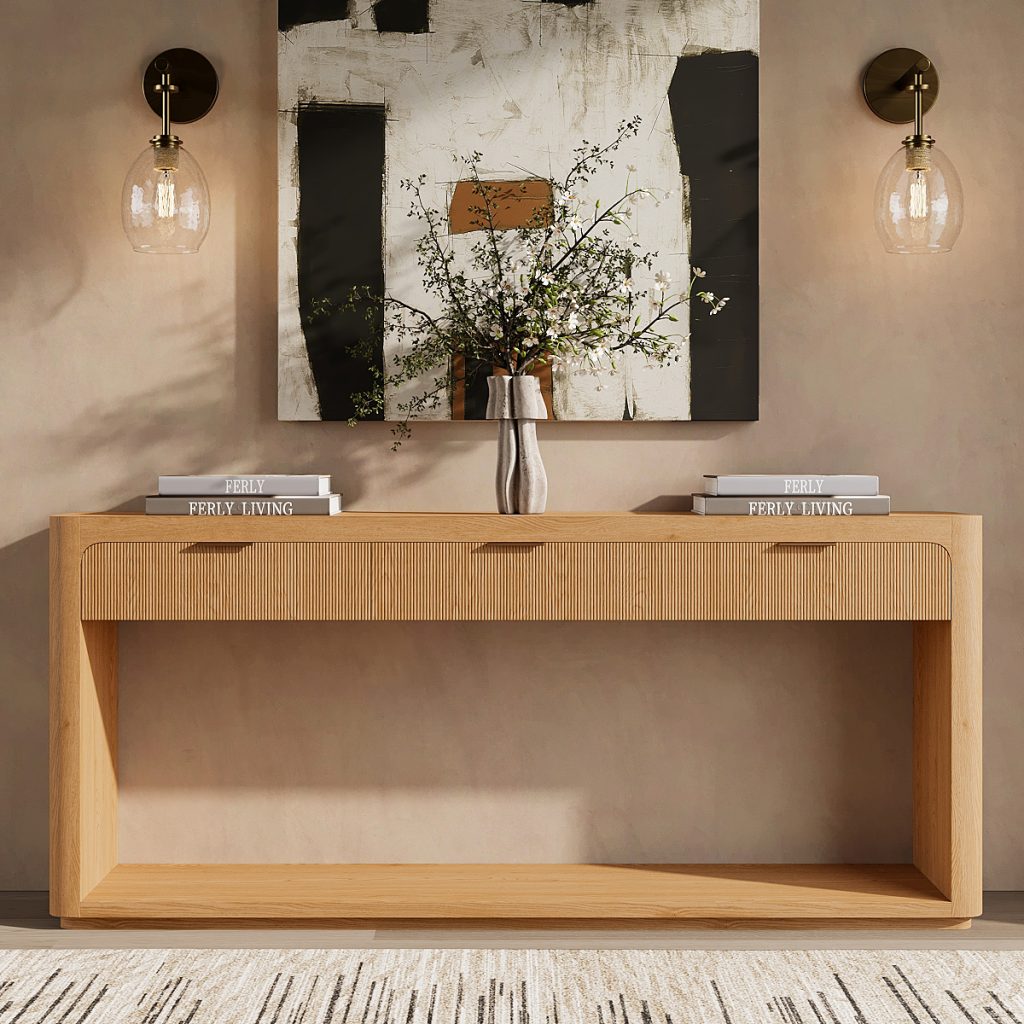
The entryway console is the smallest of the storage pieces, but it may be the most important. It is the first thing you see when you come home. It is the last thing you see when you leave. It is the piece that says: welcome.
The American Entryway Console Aesthetic
Storage Function
Drawer for keys, mail, sunglasses, and small essentials
Lower shelf for baskets, shoes, or umbrellas
Cubbies (in some models) for organized storage
Hooks (on some models) for leashes or tote bags
Decorative Role
The entryway console is a composition in miniature. A well-styled console includes:
A mirror above for last-minute checks and light reflection
A small lamp for warm, welcoming glow
A tray for keys and loose change
A vase with fresh flowers or a plant
A bowl for small items
A piece of art or a gallery wall above
Part Six: The Materials — Oak, Walnut, and the American Tradition
In the American tradition, the finest storage furniture is crafted from solid hardwood. The choice of wood determines the piece’s character:
| Wood | Character | Best For |
|---|---|---|
| Oak | Warm, honeyed, prominent grain; durable and timeless | Dressers, sideboards, entryway consoles |
| Walnut | Rich, chocolate-brown, elegant; smooth and refined | Credenzas, TV cabinets, statement pieces |
| Cherry | Warm, reddish-brown, ages beautifully | Formal sideboards, dining room pieces |
| Maple | Light, clean, subtle grain; takes paint well | Painted furniture, modern interiors |
Note on teak: Teak, the king of outdoor furniture, does not typically appear in indoor storage pieces. Its natural oils and weather resistance make it ideal for poolside and patio furniture, but its golden-to-silver aging process is best appreciated outdoors. For indoor storage, oak and walnut remain the American classics.
Part Seven: Styling Principles — Making Storage Beautiful
How do you make a storage piece beautiful? Follow these principles:
1. The Rule of Three
Group objects in threes. A lamp, a vase, and a small stack of books. A candle, a bowl, and a framed photo. Odd numbers are more visually interesting than even numbers.
2. Vary the Height
Mix tall objects (a lamp, a vase with tall branches) with medium objects (a stack of books, a bowl) and low objects (a tray, a small sculpture). This creates visual rhythm.
3. Leave Breathing Room
Do not fill every inch of the surface. Empty space is as important as filled space. It allows the eye to rest and makes each object feel intentional.
4. Use a Tray
A tray corrals small objects—keys, perfumes, remote controls—into a single visual unit. It makes a collection of small things look organized rather than cluttered.
5. Let the Furniture Breathe
Do not push every piece of furniture flush against the wall. Leave a few inches of space. This allows the piece to float in the room and creates a sense of airiness.
A Final Thought: The Beauty of Order
In the American home, storage furniture is not an afterthought. It is the backbone of the room—the pieces that make daily life function smoothly while contributing to the room’s beauty. A dresser holds your clothes and displays your treasures. A sideboard serves your meals and anchors your dining room. A credenza organizes your media and elevates your living room. A TV cabinet hides the screen and showcases art. An entryway console greets your guests and sets the tone for everything that follows.
Storage is not the enemy of style. Storage is style—when it is done with intention, with quality, and with beauty.
Organize beautifully. Live elegantly. Storage as style.
Shop the furniture