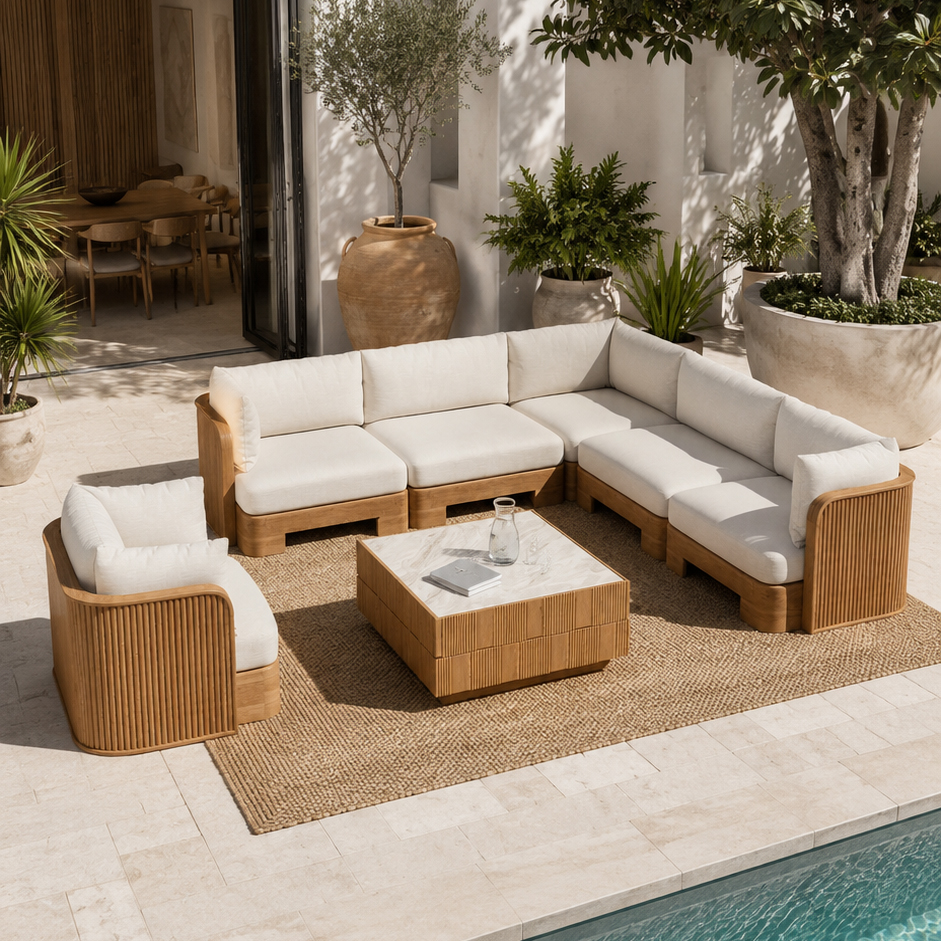
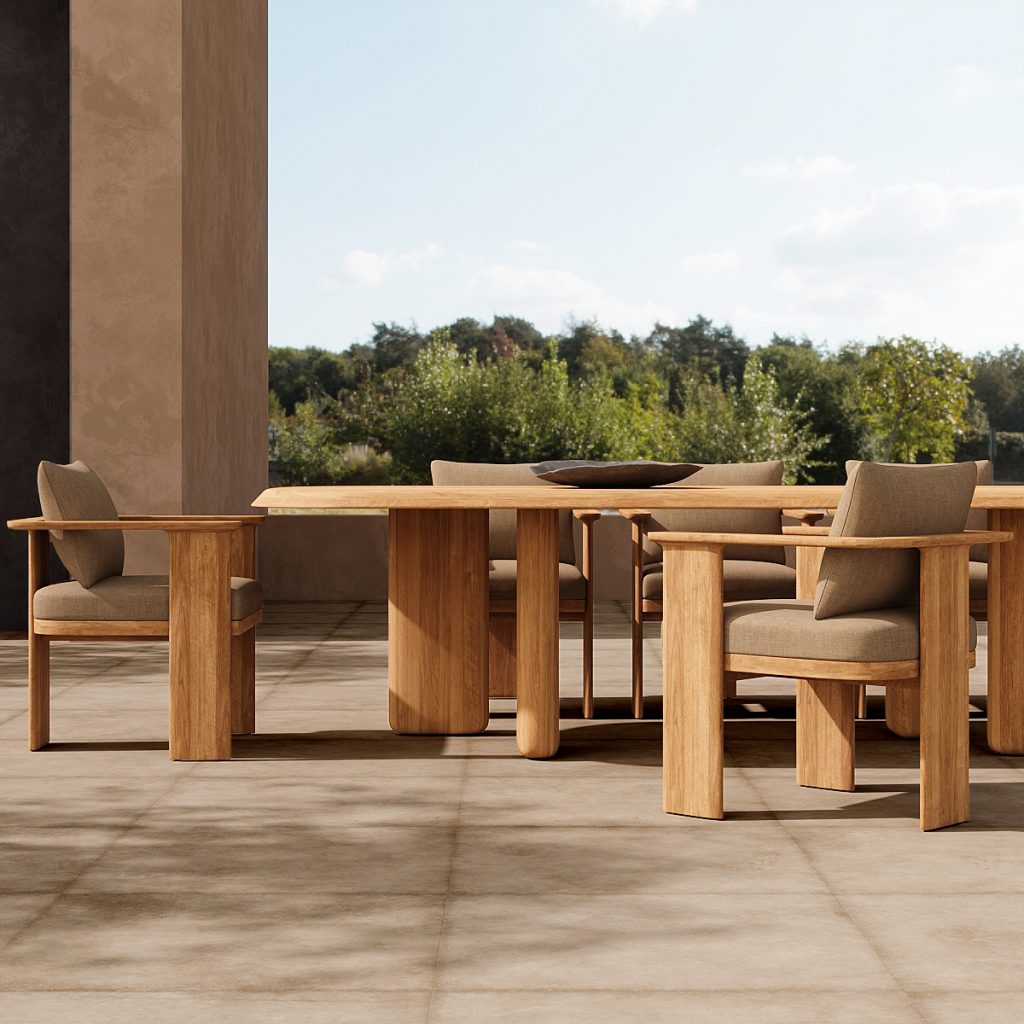
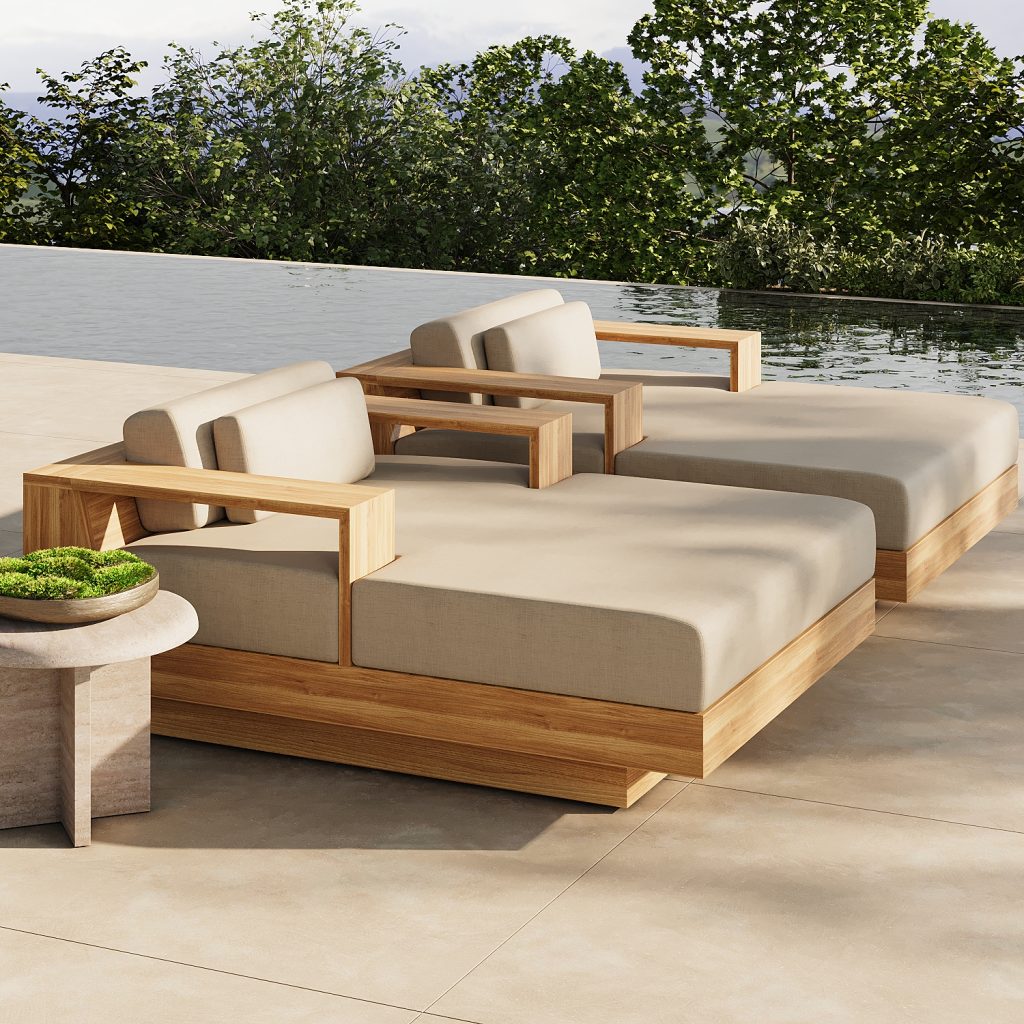
The Philosophy of Teak Care: Embracing the Golden-to-Silver Patina

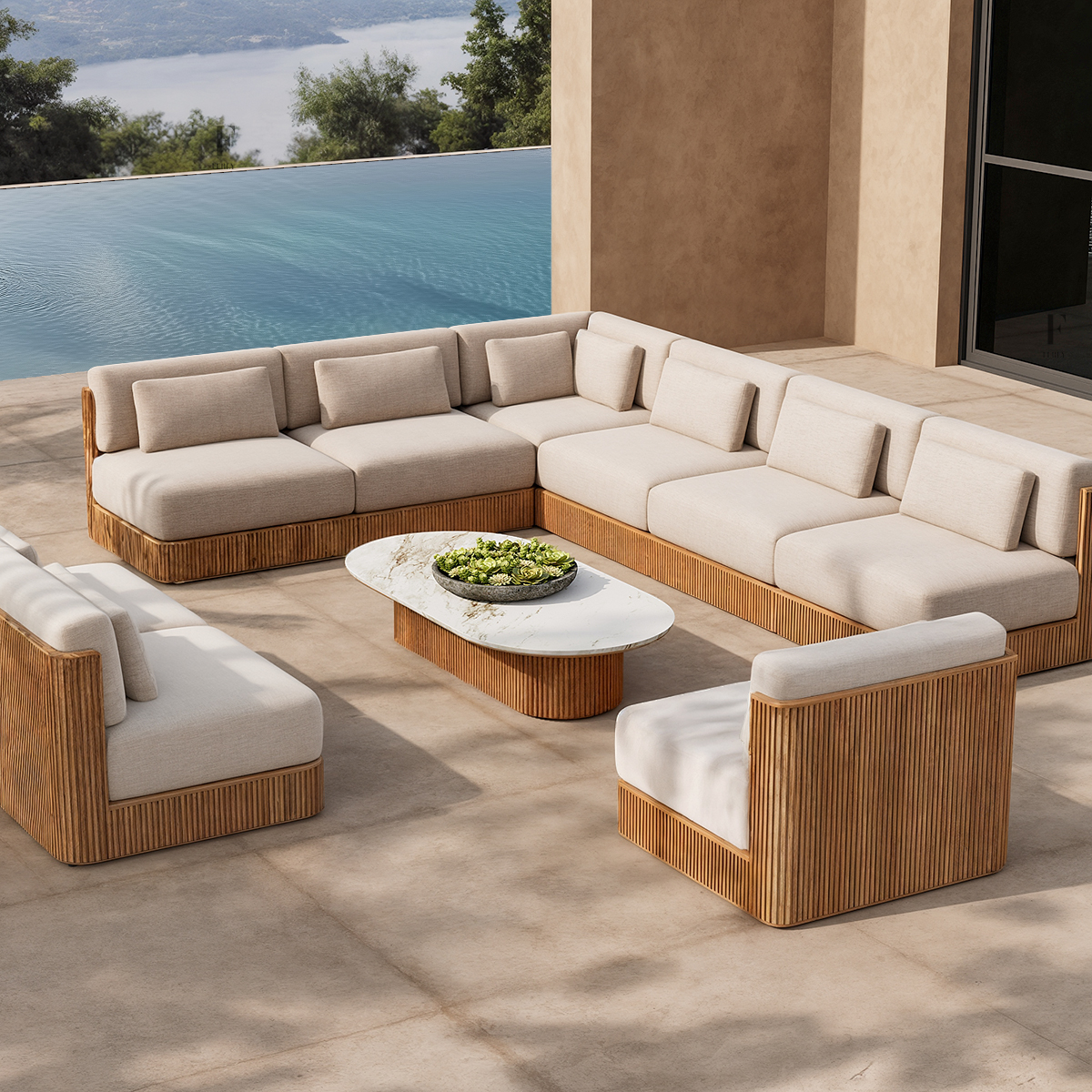
In the world of American outdoor furniture, one material reigns supreme: teak. While oak—the beloved hardwood of American interiors—anchors our living rooms, dining rooms, and bedrooms with its warm, honeyed presence, teak takes its rightful place under the open sky. It is the wood of poolside loungers, garden dining sets, and canopied daybeds. It is the wood that withstands sun, rain, salt, and time. And it is the wood that, uniquely among all materials, grows more beautiful as it ages.
Thank you for reading this post, don't forget to subscribe!This is the philosophy of teak care. It is not about preserving a pristine, factory-fresh appearance forever. It is about embracing the journey—from golden-brown to silver-gray, from new to noble, from furniture to heirloom.
Part One: The Natural Genius of Teak
To understand why teak ages so beautifully, we must first understand what makes it extraordinary. Teak is not simply a hard wood. It is a self-protecting wood.
The Oils Within
Teak contains a high concentration of natural oils—particularly teak oil, a mixture of fatty acids and resins that saturates the wood’s fibers. These oils serve as a built-in defense system:
Water resistance – Oils repel moisture, preventing the wood from absorbing water and swelling.
Rot resistance – The oils create an inhospitable environment for fungi and bacteria that cause decay.
Insect resistance – Termites and other wood-boring insects find teak unappetizing.
Salt resistance – Teak is one of the few woods that can withstand saltwater environments, making it ideal for coastal homes and poolside settings.
The Density Factor
Teak is also dense. Its tight grain and high density make it resistant to warping, cracking, and splintering. Unlike softer woods that deteriorate quickly outdoors, teak holds its structural integrity for decades—sometimes centuries. A well-made teak bench, table, or lounger can last 70 years or more.
This is why teak belongs outdoors. Oak, for all its beauty, does not fare well in constant moisture. It belongs inside, where its warmth can be preserved. Teak, by contrast, thrives in the elements. It is built for the open air.
Part Two: The Golden-to-Silver Journey
Here is where teak reveals its most poetic quality: it offers you a choice.
The Golden Phase
When teak is new—or when it is regularly maintained with oil—it displays a rich, golden-brown hue. This is the color of freshly cut teak, warm and inviting, with a subtle sheen that catches the light. Many people fall in love with teak in this phase. It feels luxurious, polished, and deliberately cared for.
The Silver Phase
If left untreated, teak gradually weathers. The golden-brown fades. The surface turns first to a soft honey, then to a pale gray, and finally to a distinguished silver patina. This is not decay. This is not damage. This is maturation.
The silver-gray patina is prized by designers, architects, and homeowners who understand that true luxury is not about resisting time—it is about collaborating with it. The silver finish blends beautifully with coastal landscapes, natural gardens, and modern architecture. It speaks of quiet confidence, of a home that does not need to shout to be noticed.
You Choose
This is the philosophy of teak care: there is no wrong answer. If you prefer the golden warmth, you can oil your teak regularly to maintain it. If you love the silver patina, you can simply let nature take its course. Both are beautiful. Both are valid. Both are teak.
The only true mistake is to neglect teak entirely—to let dirt accumulate, to let mildew grow, to let the wood sit in standing water. With minimal care, teak will reward you for a lifetime.
Part Three: The Advantages of “Older Is Better”
Why do we say teak grows more beautiful with age? Because unlike materials that degrade—paint that peels, metal that rusts, plastic that fades—teak transforms. It does not lose value; it gains character. Here are the advantages of embracing teak’s aging process:
1. Timeless Aesthetic
A silver-gray teak lounger looks as at home in a Hamptons beach house as it does in a modern Palm Springs villa. The neutral, earthy tone of aged teak complements any color palette, any landscape, any design style. It does not date itself.
2. Low Maintenance
Ironically, the “older is better” approach requires less work, not more. Untreated teak only needs occasional cleaning. You do not need to oil it, seal it, or fuss over it. You simply let it be—and it rewards you with beauty.
3. Durability Unchanged
The silver patina is purely cosmetic. The wood beneath remains as strong, as dense, and as rot-resistant as the day it was milled. Aging does not compromise structural integrity. It only changes the surface.
4. A Story to Tell
A piece of teak furniture that has weathered a decade of summers carries a narrative. It has seen countless sunsets, hosted dozens of gatherings, survived storms and heatwaves. The silver-gray surface is a record of those experiences. It is not “used.” It is lived-in.
Part Four: Practical Care — Cleaning and Maintenance
Now, let us turn to the practical. Whether you choose the golden path or the silver path, teak requires some care. Here is a complete guide.
Routine Cleaning
Frequency: Every few weeks during outdoor season, or as needed.
Method:
Rinse the furniture with a garden hose to remove loose dirt, dust, and pollen.
Wash with a soft-bristle brush and a solution of mild dish soap and warm water.
Rinse thoroughly with clean water.
Air dry in the sun. Do not cover or store until completely dry.
Avoid: Harsh chemicals, bleach, pressure washers (which can damage the wood fibers), and abrasive scrubbing pads.
Deep Cleaning (Seasonal)
Frequency: Once or twice a year, typically at the start and end of the outdoor season.
Method:
Apply a teak cleaner (commercial or homemade: 1 part bleach to 3 parts water, though use sparingly). Let it sit for 10–15 minutes.
Scrub with a soft-bristle brush, working with the grain.
Rinse thoroughly.
If you want to restore the golden color, apply a teak brightener after cleaning. This is optional.
Let dry completely before covering or storing.
Note: Deep cleaning will strip away some of the natural oils. If you wish to maintain the golden color, this is the time to apply teak oil or sealer.
To Oil or Not to Oil?
This is the central question of teak care. Here is the honest answer:
| Oil Your Teak If… | Let It Silver If… |
|---|---|
| You prefer the warm golden-brown color | You love the silver-gray patina |
| You want to minimize surface cracking | You want low maintenance |
| Your furniture is in a covered area | Your furniture is fully exposed to the elements |
| You enjoy the ritual of seasonal care | You prefer to let nature take its course |
Important: If you choose to oil, use a teak oil or sealer specifically designed for outdoor teak. Do not use linseed oil, tung oil, or varnish—these can trap moisture, promote mildew, and peel over time.
Dealing with Stains and Scratches
Water rings – Lightly sand with fine-grit sandpaper (220), then wipe with a damp cloth.
Oil stains – Apply a paste of baking soda and water. Let sit, then rinse.
Mildew – Wash with a diluted bleach solution (1:3), rinse thoroughly, and dry in the sun.
Minor scratches – Sand lightly with the grain, then apply teak oil if desired.
Winter Care
If you live in a climate with freezing winters, teak should be covered or stored during the off-season. While teak can withstand cold, freeze-thaw cycles can cause minor cracking over time. A custom-fit cover—breathable, not plastic—will protect your furniture without trapping moisture.
If storing indoors, choose a dry, well-ventilated space. Do not wrap teak in plastic, which can promote mildew.
Part Five: A Philosophy, Not a Chore
Teak care is not a burden. It is a relationship. It is the quiet pleasure of rinsing away the dust of a long summer, of watching the water bead on the surface, of noticing how the wood has changed since last season. It is the satisfaction of knowing that this furniture—your furniture—is not disposable. It is permanent.
Whether you choose the golden path of oiled teak or the silver path of natural weathering, you are participating in a tradition that stretches back centuries. Teak has furnished the decks of ships, the verandas of colonial homes, the poolside retreats of modern villas. It has proven itself in every climate, every condition, every era.
Now it is your turn. Care for your teak—or simply let it be. Either way, it will serve you beautifully. And one day, when you pass it on to the next generation, it will carry with it not just the beauty of the wood, but the story of your care.
Golden or silver. Oiled or weathered. Teak is not just outdoor furniture. It is a living material—and it is waiting to age with you.
Shop the furniture