From Living Room to Patio: How One Piece Can Bridge Indoor-Outdoor Living

There is a quiet revolution happening in the American home. The walls are coming down—not literally, but conceptually. The line between inside and outside is blurring. Homeowners no longer want a living room that stops at the sliding glass door and a patio that begins on the other side. They want continuity. They want a home that breathes—where the comfort of the interior flows seamlessly into the freedom of the open air.
Thank you for reading this post, don't forget to subscribe!And at the heart of this revolution lies a simple but powerful idea: one piece of furniture can do both. Not a piece that is dragged inside when it rains and outside when the sun shines—but a piece designed from the start to live everywhere. A piece that bridges the two worlds.
Part One: The Materials That Move Freely
The key to indoor-outdoor furniture lies in material selection. Not every wood, not every metal, not every weave can withstand the demands of both environments. The pieces that bridge the two worlds are built from materials that can handle sun, rain, humidity, and temperature swings—without sacrificing beauty or comfort.
Aluminum — The Lightweight Bridge
Aluminum is perhaps the most natural bridge-builder. It is lightweight, rust-proof, and cool to the touch. It does not care whether it is sitting in a climate-controlled living room or on a sun-baked patio. It performs equally well in both.
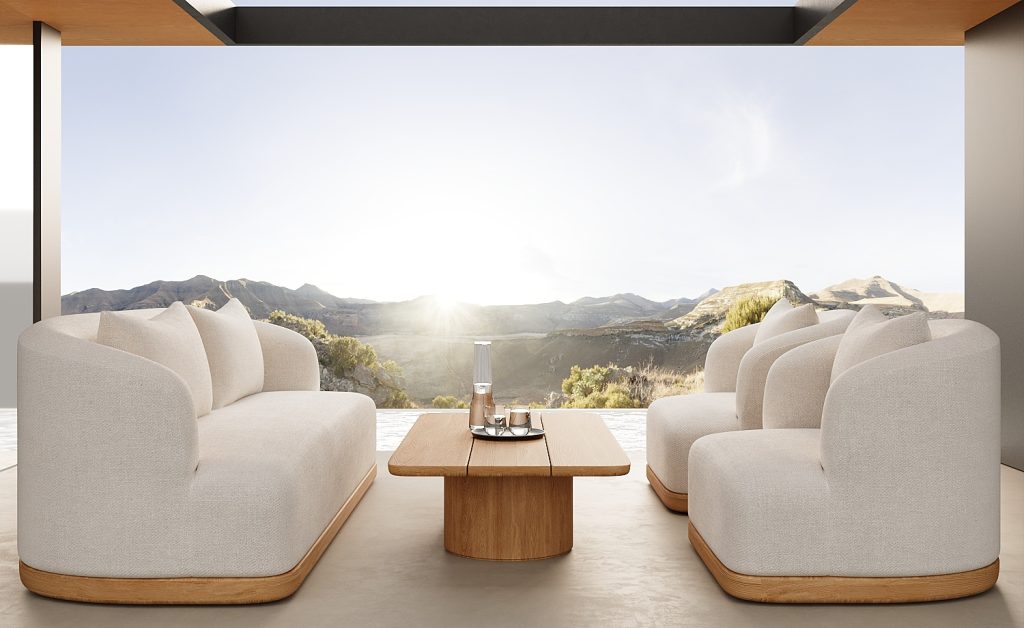
An aluminum-framed sofa with deep, plush cushions in outdoor performance fabric is the perfect example. Place it in the living room and it looks like a contemporary American sofa. Place it on the patio and it becomes a resort-style lounger. The frame never rusts. The cushions never fade. The piece never needs to move—it belongs everywhere.
Teak — The Warm Bridge
Teak is the outdoor king—but it also has a place indoors. Its warm, golden-brown tones and natural oils make it resistant to moisture and insects, while its density and durability ensure it can handle daily use. A teak-framed sofa or teak coffee table can sit on a covered porch or in a sunroom, bridging the gap between the interior and the garden beyond.
What makes teak special as a bridge material is its aging process. Left untreated, it weathers to a silver-gray patina. Oiled regularly, it retains its golden warmth. Either way, it grows more beautiful with time—just like the homes it furnishes.
Rope and Cane Weaving — The Textural Bridge
Woven materials—rope, cane, rattan, wicker—are the secret weapons of indoor-outdoor design. They are breathable, allowing air to circulate around the body. They are lightweight, making furniture easy to move. And they add a layer of artisanal texture that solid surfaces cannot match.
A rope-woven sofa with a teak or aluminum frame is equally at home in a coastal living room and on a poolside deck. The weave catches the light, creates shadow play, and invites touch. It is a material that softens the boundary between inside and out—not through engineering, but through texture.
The Fabric That Makes It Work
The frame is only half the story. The cushions and upholstery determine whether a piece can truly cross the threshold. Performance fabrics—solution-dyed acrylics like Sunbrella, or innovative outdoor blends—are the key.
These fabrics are:
Fade-resistant – Colors stay vibrant through seasons of sun
Water-repellent – Rain beads up and rolls off
Mildew-resistant – Essential for humid climates and poolside settings
Bleach-cleanable – Spills and stains wipe away
Soft to the touch – They feel like indoor fabric, not plastic
A sofa upholstered in performance fabric can sit in a sunroom for a decade and look as good as the day it was made. It can handle a surprise rain shower on the patio. It can be wiped clean after a child’s juice spill. It is, quite simply, liberated from the constraints of indoor-only living.
Part Two: The Pieces That Bridge
Now that we understand the materials, let us look at the specific pieces that can move freely between living room and patio—the furniture that blurs the line between inside and out.
The Indoor-Outdoor Sofa
This is the flagship of the indoor-outdoor movement. An aluminum or teak-framed sofa with deep, plush cushions in performance fabric. Place it in the living room facing the fireplace. Place it on the patio facing the pool. It works equally well in both.
| Feature | Why It Bridges |
|---|---|
| Aluminum or teak frame | Rust-proof, weather-resistant, lightweight |
| Performance fabric cushions | Fade-resistant, water-repellent, soft to the touch |
| Deep seating | Indoor comfort, outdoor durability |
| Neutral color palette | Blends with both interior and exterior décor |
The Indoor-Outdoor Coffee Table
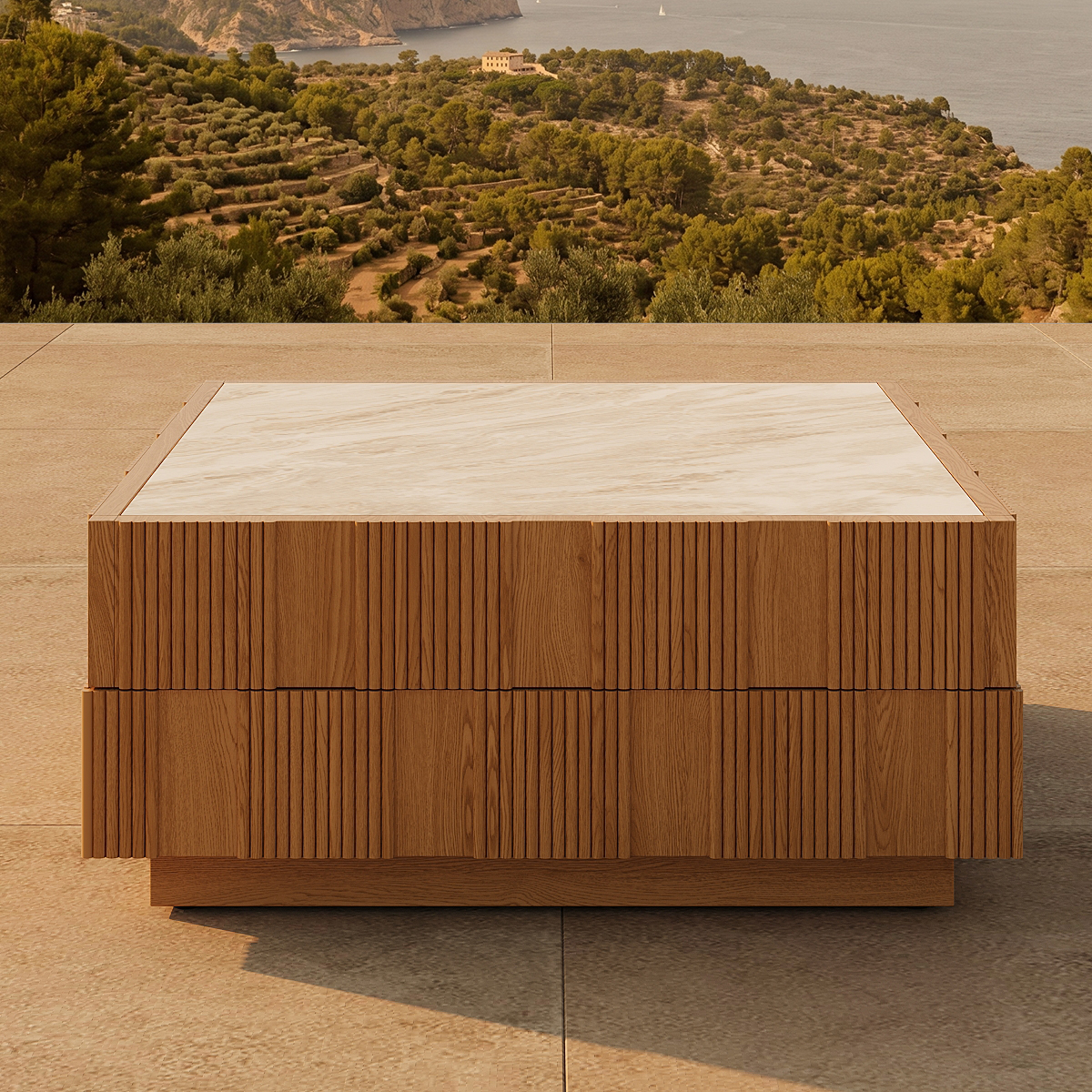
A teak coffee table or an aluminum coffee table with a travertine top can serve as the centerpiece of a living room seating arrangement or the gathering point of a patio lounge. The materials are durable enough for outdoor use, yet refined enough for indoor display.
The Indoor-Outdoor Dining Set
A teak dining table with rope-woven chairs is equally at home in a breakfast nook and on a covered patio. The teak handles the elements; the rope weave provides breathable comfort; the design is timeless enough for both contexts.
The Indoor-Outdoor Lounger
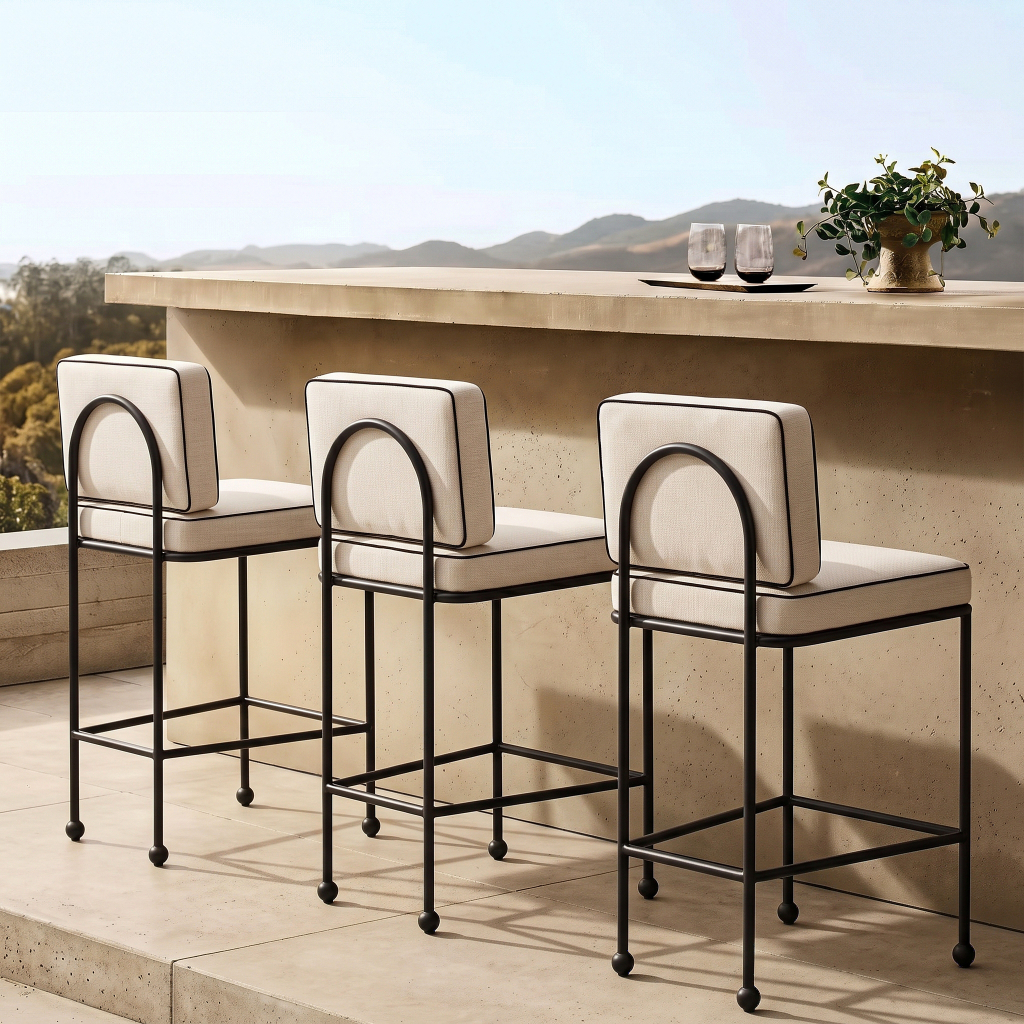
A rope-woven lounger with an aluminum frame—lightweight, breathable, and weather-resistant—can be used as a reading chair in a sunroom or a sunbathing lounger by the pool. Its low profile and natural materials make it feel at home in both settings.
The Indoor-Outdoor Side Table
A small teak side table or an aluminum side table with a stone top is the perfect companion piece—small enough to move easily, durable enough to stay outside, beautiful enough to keep inside. Place it beside a sofa, a lounger, or a reading chair.
Part Three: The Design Philosophy — Continuity, Not Contrast
The goal of indoor-outdoor furniture is not to make the outside look like the inside, or vice versa. It is to create a continuity of experience—a sense that the home extends beyond its walls, that the comfort of the living room flows naturally onto the patio, that there is no hard boundary between the two.
Color Continuity
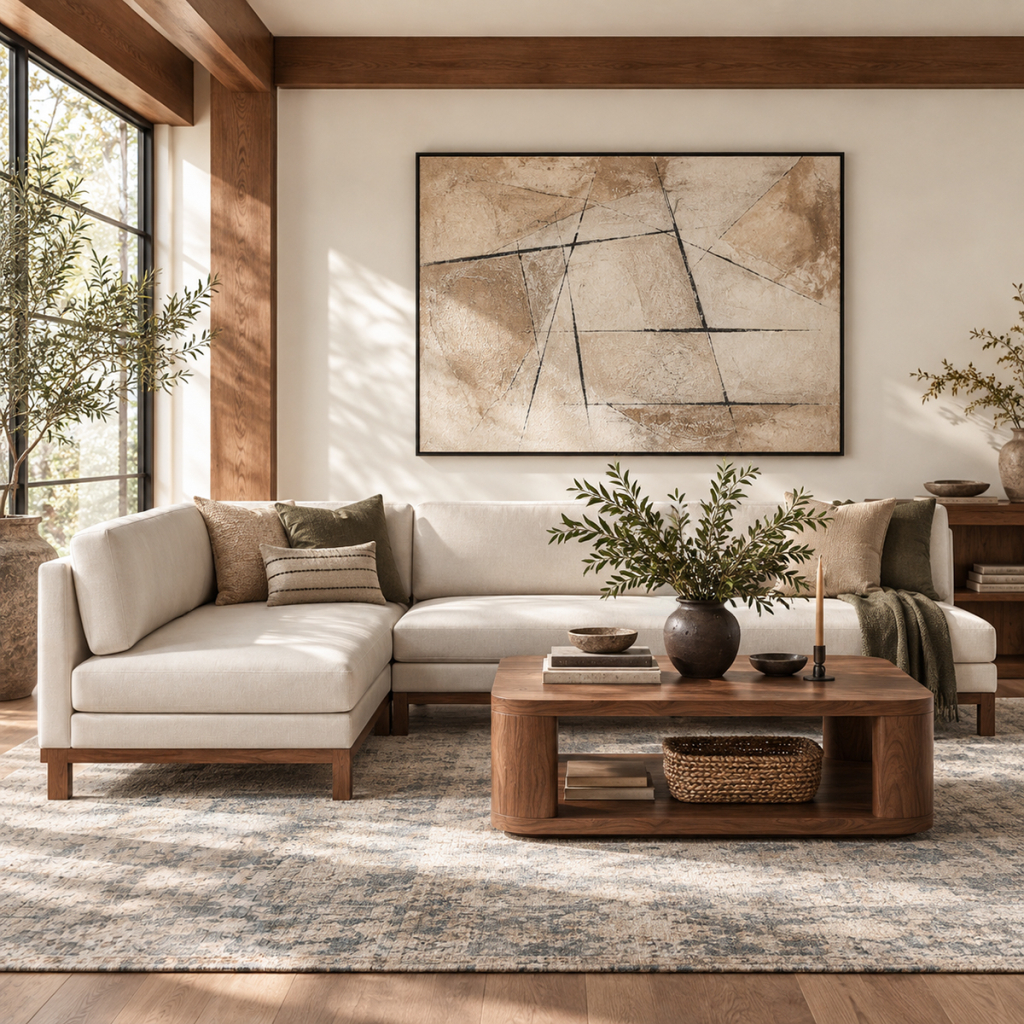
Choose a shared color palette for indoor and outdoor spaces. If the living room has cream sofas and warm wood tones, the patio should echo those choices—teak furniture, cream cushions, natural textures. The eye should move from inside to outside without jarring transitions.
Material Continuity
Use the same materials in both spaces. If the indoor furniture features oak and linen, the outdoor furniture should feature teak and performance fabric in similar tones. The materials do not have to be identical—but they should rhyme.
Form Continuity
Choose furniture with similar silhouettes indoors and out. If the living room has a low-profile sofa with clean lines, the patio should have a low-profile lounger with clean lines. If the indoor chairs are wingbacks, the outdoor chairs should have high backs. The shapes should feel related, even if the materials differ.
The Threshold
The threshold—the door, the step, the transition point—is where the bridge is most visible. A teak console table just inside the sliding door, holding a tray of drinks and a vase of flowers. A rope-woven bench just outside, inviting guests to sit and remove their shoes. These small pieces at the threshold soften the transition and make the indoor-outdoor connection feel intentional.
Part Four: Practical Considerations
Indoor-outdoor furniture is liberating—but it requires some planning. Here are the practical considerations.
Sun Exposure
Even the most fade-resistant fabrics will eventually show wear if exposed to direct sun for years. If your indoor-outdoor piece will sit in full sun, choose solution-dyed acrylic (the gold standard for fade resistance) and consider a cover for extended periods of non-use.
Moisture and Humidity
Aluminum and teak handle moisture beautifully. But cushions need care. Choose quick-dry foam and performance fabric that resists mildew. Bring cushions inside during prolonged rain or winter storage.
Weight and Mobility
If you plan to move the piece frequently—from living room to patio and back—choose aluminum over teak. Aluminum is significantly lighter and easier to reposition. Teak is heavier and more permanent—better for a piece that will stay in one place.
Maintenance
Aluminum – Rinse with a hose; wipe with a damp cloth. Minimal care.
Teak – Clean with mild soap and water. Oil if you want to maintain the golden color; let it silver if you prefer the patina.
Rope and Cane – Rinse after exposure to pool chemicals or salt. Dry thoroughly.
Performance Fabric – Spot-clean with mild soap and water. Machine-wash removable covers if possible.
The Oak Exception
Oak—the beloved American indoor hardwood—is not a bridge material. It does not fare well in constant moisture. Oak belongs inside, where its warmth can be preserved. For the outdoor side of the bridge, choose teak or aluminum. Each material has its domain.
Part Five: Styling the Bridge
The furniture is in place. Now, how do you make the indoor-outdoor connection feel seamless?
Repeat, Don’t Match
You do not need identical pieces indoors and out. Instead, repeat key elements—a color, a texture, a shape. If the indoor sofa has cream cushions, the outdoor sofa has cream cushions. If the indoor coffee table is round, the outdoor side table is round. These repetitions create a visual rhythm that ties the spaces together.
Layer Lighting
Lighting is the secret weapon of indoor-outdoor continuity. A floor lamp inside the sliding door and a solar lantern outside create a continuous glow. A string of lights over the patio echoes the chandelier in the living room. When the sun goes down, the two spaces become one.
Bring the Outside In
Plants are the ultimate bridge. A potted olive tree inside the living room and a matching olive tree on the patio. A vase of cut branches on the indoor console and a planter of the same species outside. Greenery softens the transition and reminds us that the home is part of the natural world.
The View Matters
The most important element of indoor-outdoor living is not the furniture—it is the view. Position your indoor-outdoor pieces so that they frame the view beyond. A sofa facing the garden. A lounger facing the pool. A dining table positioned so that diners can see the sunset. The furniture is the frame; the landscape is the art.
A Final Thought: One Home, Two Worlds, No Boundary
The indoor-outdoor revolution is not about furniture. It is about a way of living. It is about refusing to accept that the comfort of the living room ends at the door. It is about believing that the beauty of the garden deserves the same quality of furniture as the beauty of the interior. It is about creating a home that is whole—not divided into inside and outside, but unified by a continuous experience of comfort, beauty, and ease.
With a teak-framed sofa in the living room, an aluminum-framed lounger on the patio, and a rope-woven bench at the threshold, you create a home that breathes. A home that extends. A home that says: the inside and the outside are not separate. They are one.
One piece. Two worlds. No boundary.
Shop the furnitur