American Poolside: Rope Loungers and Parasols for Summer Lounging

Introduction
Part One: The Rope Lounger — Breathable Elegance
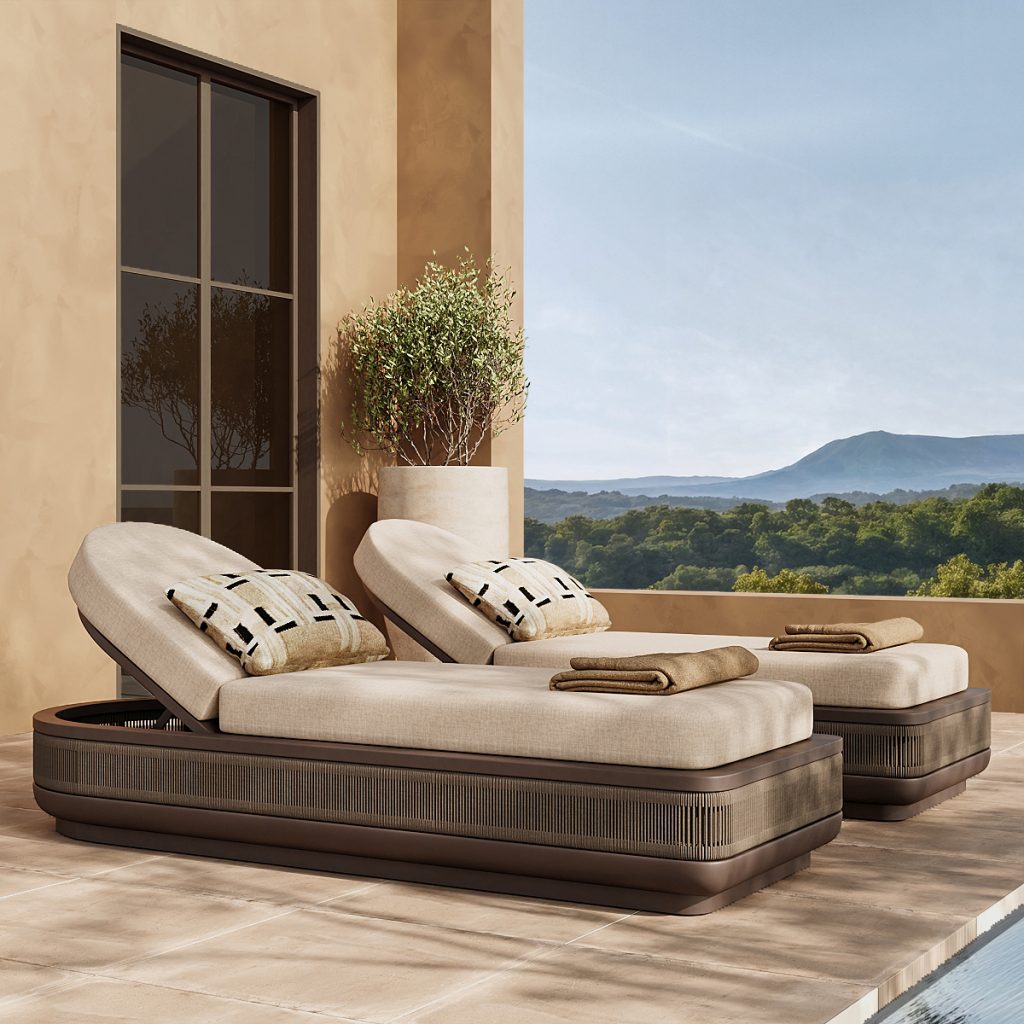
When you imagine the perfect poolside seat, your mind likely conjures something slatted, something that lets the water drip through and the breeze pass under. The rope lounger takes this archetype and elevates it into a statement of refined outdoor living.
Thank you for reading this post, don't forget to subscribe!A Material Made for Water
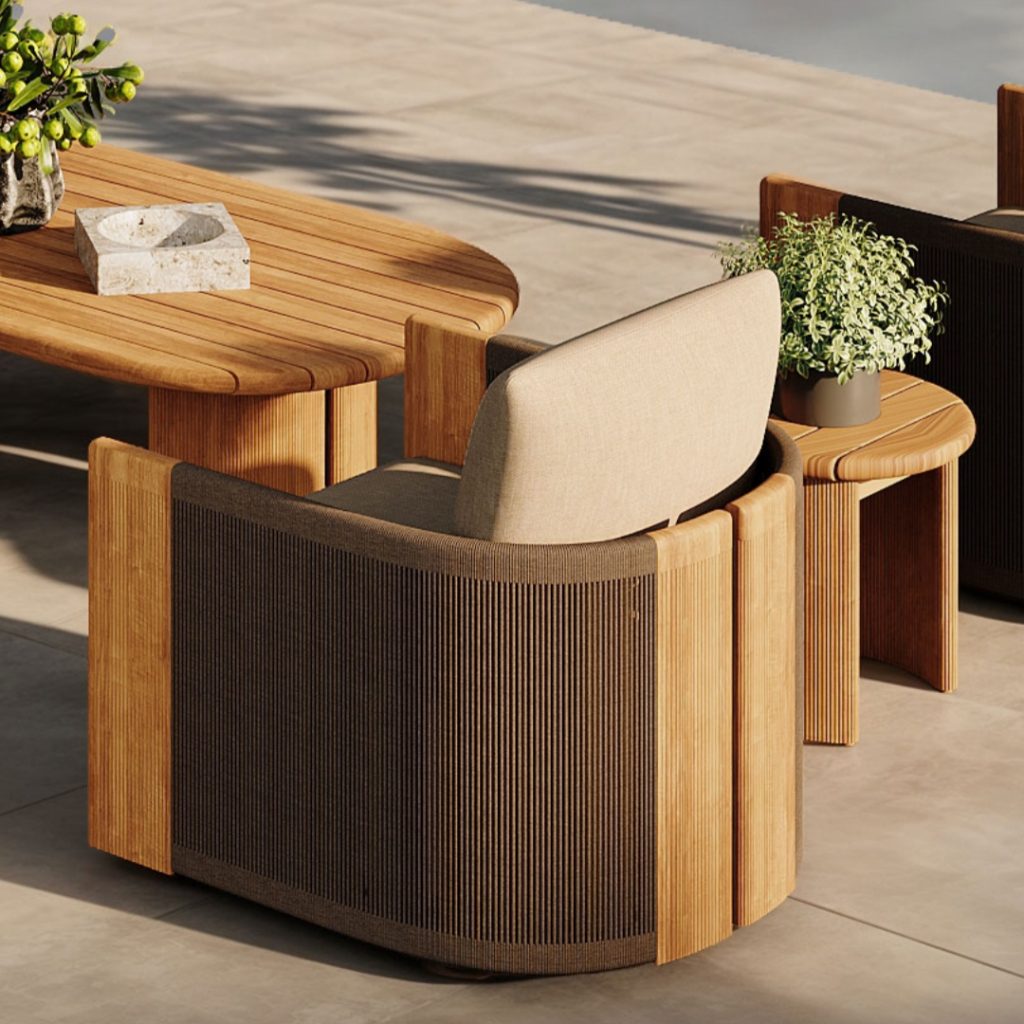
Rope — specifically, weather-resistant, marine-grade cord — possesses a natural affinity for the poolside environment. It does not absorb heat like dark metal or plastic. It does not warp or splinter like some woods. Instead, it remains cool to the touch, dries quickly after a splash, and offers a subtle, yielding comfort that conforms gently to the body.
The Visual Language
Visually, rope loungers sing in the landscape of summer. The crisscrossing lines of the rope create a play of light and shadow that shifts with the sun. In white or natural ivory, they echo the colors of沙滩 and sea foam. In navy or charcoal, they ground the space with a touch of nautical sophistication. Seen from the house, a row of rope loungers lined up by the pool reads as an invitation — one that says, “Stay a while.”
Comfort That Breathes
Unlike upholstered loungers that trap heat and moisture against the skin, the rope lounger is inherently breathable. Air circulates freely around your body. A damp swimsuit dries in minutes, not hours. And when you finally decide to slip into the pool, you can do so without that unpleasant shock of leaving behind a sweaty imprint. The rope lounger respects the rhythm of summer: hot, cool, wet, dry — it handles every transition with grace.
Part Two: The Parasol — Sculptural Shade
The rope lounger invites you to stay. The parasol makes it possible to stay comfortably. But the modern American parasol is not merely a functional object — it is a sculptural element that defines the architecture of the lounging area.
More Than an Umbrella
A well-chosen parasol does not just block UV rays (though it does that admirably, often with UPF 50+ ratings). It creates a room — a shaded room with the sky as its ceiling and the pool as its view. Beneath a generous parasol, the glare softens, the temperature drops by several degrees, and the world takes on a gentler, more forgiving light.
Materials and Mechanics
The finest parasols feature:
Solution-dyed acrylic canopies (Sunbrella or equivalent) that resist fading and mildew
Aluminum or teak poles — lightweight aluminum for easy tilting, or teak for timeless warmth
Crank and tilt mechanisms that allow you to follow the sun’s arc without leaving your lounger
Vented tops that allow hot air to escape and wind to pass through
The Tilt Dance
There is a quiet ritual to a day beneath a parasol. As the sun moves from east to west, you reach up — barely lifting your head from the rope lounger — and pull a cord or turn a crank. The canopy tilts. The shadow shifts. You adjust again an hour later. This small, deliberate choreography connects you to the passage of the day in a way that air conditioning never could. It is summer’s clock, and you are its keeper.
The Perfect Pairing: Lounger + Parasol
Layout Ideas
The Symmetrical Pair – Two rope loungers, one large parasol centered between them. Perfect for couples who read side by side.
The Cluster – Four loungers arranged in a square, with a cantilevered parasol that hangs over the center like a floating leaf.
The Solo Sanctuary – A single lounger, a tilting parasol on a sturdy base, positioned at the shallow end where the water reflects ripples onto the underside of the canopy.
Beyond the Lounger: Completing the Scene
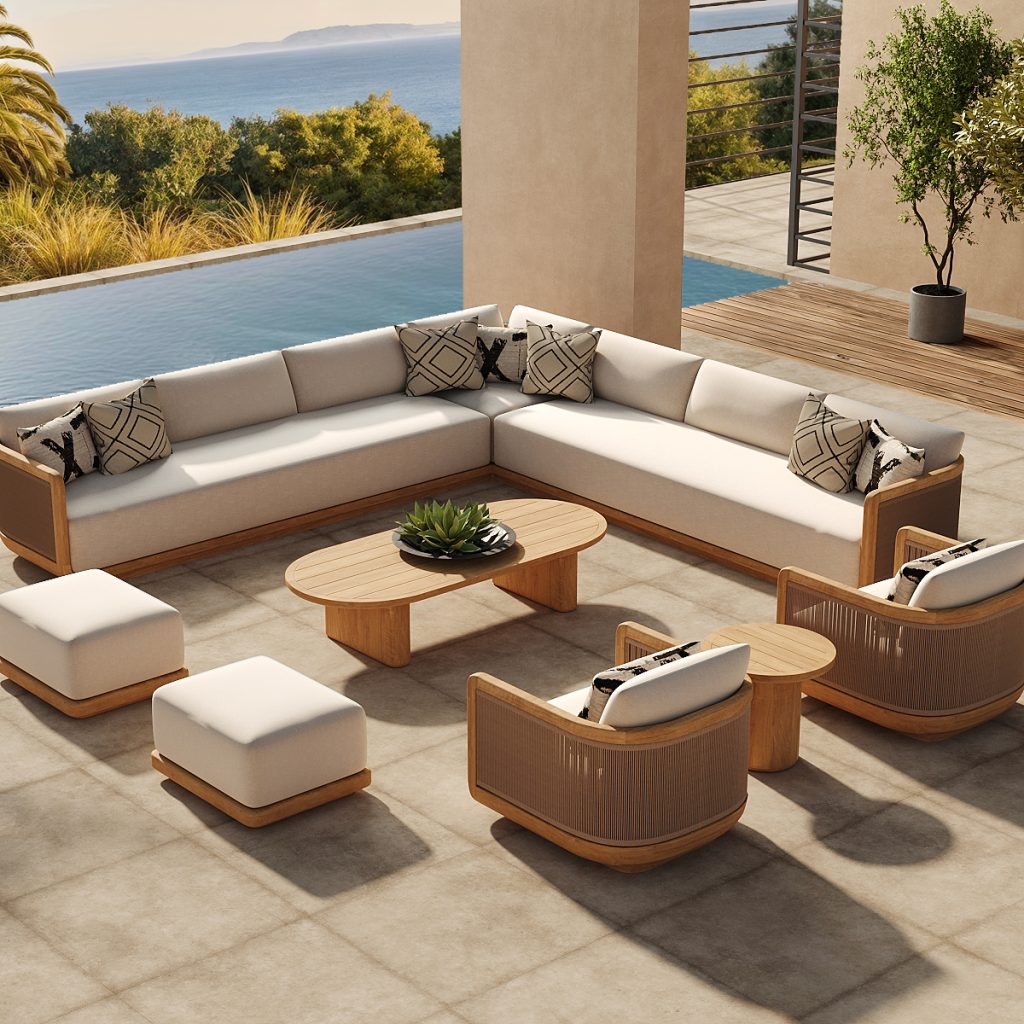
A truly inviting poolside requires a few additional touches. These need not be elaborate — restraint is itself a form of elegance.
The Side Table
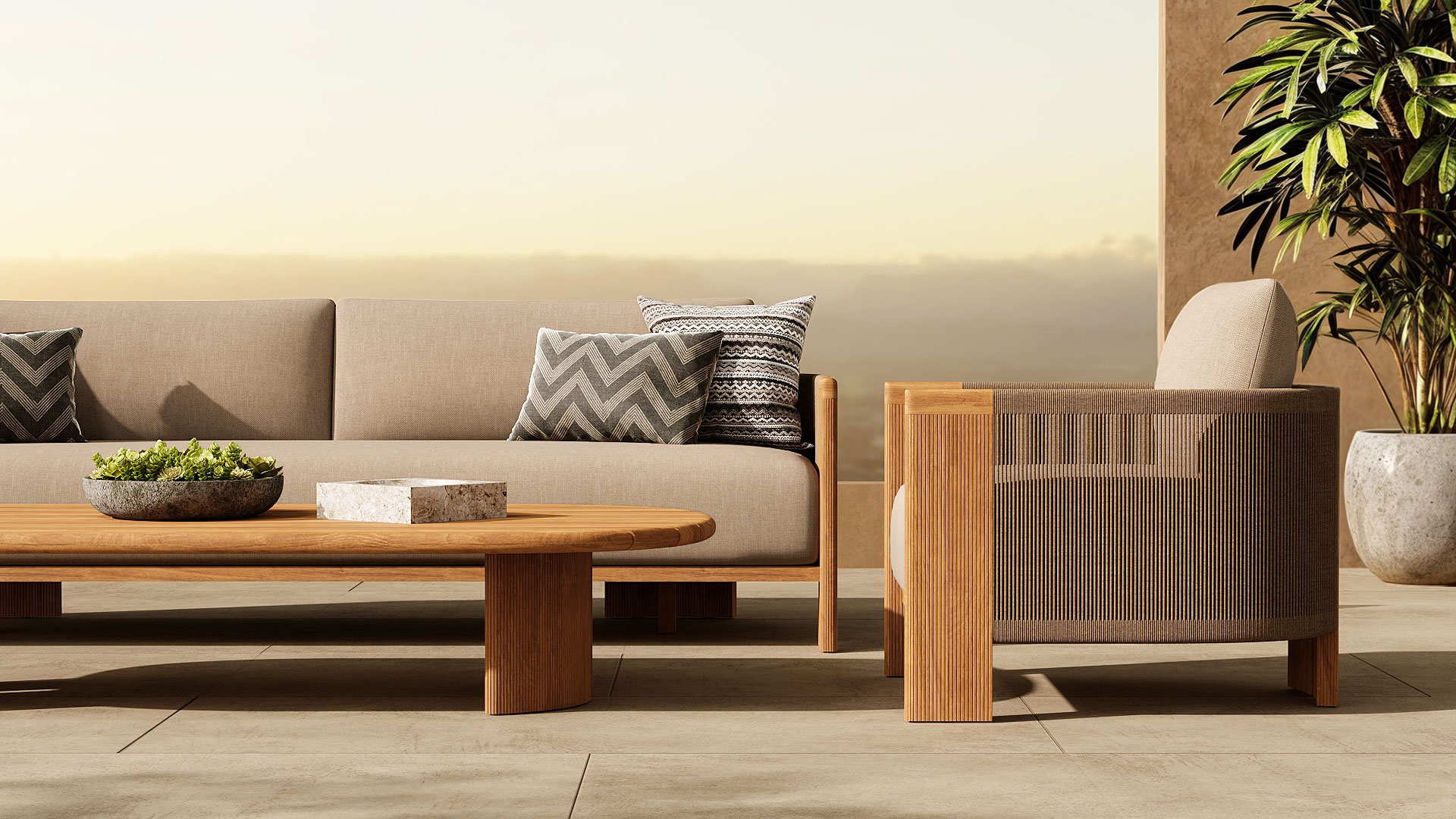
Every lounger needs a place to set down a glass, a book, or a bottle of sunscreen. A small teak or aluminum side table — low to the ground, unobtrusive — serves this purpose without competing with the lounger’s lines.
The Towel Hook
Attached to the end of the lounger or standing nearby, a place to hang a damp towel keeps the area tidy and gives the towel a chance to dry in the sun.
The Drink
A tall glass of something cold. Lemonade. Iced tea. A spritzer. The condensation on the glass, the clink of ice — these are the sound effects of summer lounging.
The Emotional Reward: Doing Nothing, Perfectly
The genius of the American poolside is that it elevates the art of doing nothing into something almost sacred. On a rope lounger, beneath a parasol, with the sound of water in your ears and the smell of sunscreen in the air, you are not wasting time. You are absorbing it. You are letting the heat soften the edges of your thoughts. You are watching clouds rearrange themselves. You are, in the truest sense, resting.
You do not need to be productive. You do not need to be entertaining. You just need to be present — in your body, in the shade, in the moment.
A Note on Care
Rope loungers and parasols are built for the outdoors, but they reward a little attention:
Rinse rope loungers occasionally with a garden hose to remove dust and pollen.
Store cushions indoors when not in use (if your lounger has them).
Close and secure your parasol during high winds or when away for extended periods.
Clean the canopy with mild soap and water at season’s end.
Summer is short. The days are long. Find your shade. Claim your lounger. Stay a while.
Shop the furniture